

The dream of buying a fixer-upper is highly appealing to many first-time homebuyers. Walking through an old, dated property brings a unique sense of excitement. There is the promise of building immediate sweat equity, the opportunity to choose custom finishes, and the satisfaction of transforming a neglected house into a personalized sanctuary. However, the reality of managing a major property renovation can quickly become overwhelming for those who enter the market without a clear financial roadmap. The line between a profitable investment and a never-ending money pit is often drawn by how accurately a buyer can estimate the real-world expenses of hiring skilled professionals. A well-crafted strategy ensures that unexpected site conditions do not derail the construction schedule.
Many first-time buyers focus entirely on the purchase price of the home, forgetting that the cost of labor and materials must be factored into their long-term financial stability. In today’s competitive real estate landscape, the prices of specialized trades have evolved, influenced by shifts in material availability and a growing demand for skilled tradespeople. Understanding these baseline financial obligations before making an offer on a distressed property is a crucial safeguard. This comprehensive guide outlines the true costs associated with whole-house transformations, helping buyers navigate the complex landscape of modern home improvement with confidence and clear expectations. Making informed decisions protects capital and sets a realistic timeline.
Evaluating the Landscape and First Impressions
When buyers pull up to a potential fixer-upper, the exterior environment often provides the first hints of the property’s true condition. Overgrown foliage, cracked paths, and untamed vegetation are common sights that require immediate, professional attention. While basic gardening can easily be handled as a weekend DIY project, large scale yard management requires heavy machinery and deep expertise. Neglected properties often harbor mature trees with root systems that actively threaten the home’s foundation, sewer lines, or overhead power infrastructure.
Homeowners frequently underestimate the expenses required to secure an overgrown lot. Removing massive, dead, or structurally compromised oaks and pines requires a professional tree service to ensure the work is completed safely and legally. Depending on the size, location, and complexity of the removal, these arborial operations can cost anywhere from a few hundred dollars for basic pruning to several thousand dollars for a full crane-assisted removal. A comprehensive landscape assessment helps ensure that hidden outdoor hazards do not drain the interior renovation funds before the indoor projects can even begin. Proper exterior management creates a safer working environment for subsequent mechanical crews.
Reinforcing the Property Boundaries and Shell
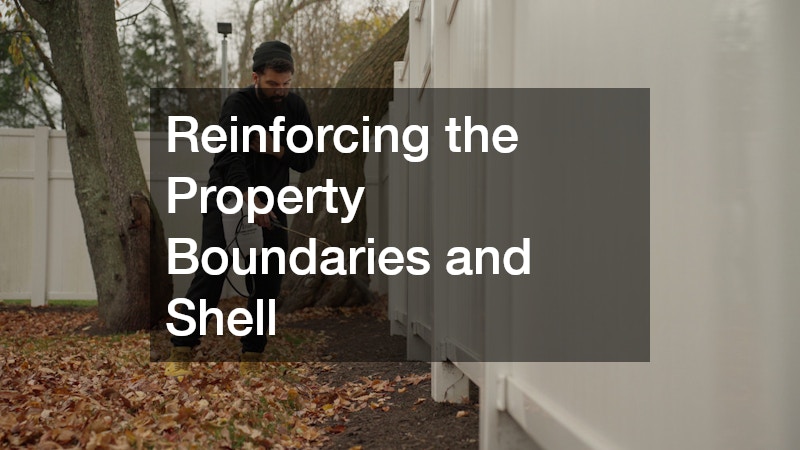
Once the immediate surrounding environment is safe, attention naturally turns to the protective shell of the home and the security of the lot boundaries. A house cannot be transformed on the inside if the exterior is actively letting in the elements or failing to provide basic security. Security and privacy are primary goals for new buyers, especially those with children or pets who need a dedicated outdoor area.
Establishing these physical boundaries typically involves installing or repairing structural borders around the property line. Investing in new fencing serves as a primary method for defining the property line, boosting curb appeal, and increasing overall market value. Depending on whether the buyer chooses classic wood, low-maintenance vinyl, or durable metal, this project can scale from a minor aesthetic update to a significant capital expense.
At the same time, the most critical element of the home’s exterior envelope is the shield directly above it. A compromised top structure will systematically destroy new drywall, insulation, and interior finishes via undetected leaks. Investing in a brand new, durable layer of roofing represents one of the most substantial upfront costs a fixer-upper buyer will encounter, frequently ranging between several thousand and tens of thousands of dollars. An older home requiring a complete tear-off of structural layers will demand a massive chunk of the renovation budget, making it an essential component to verify during the initial home inspection phase. Failing to address these issues inevitably ruins interior design updates.
The Internal Life Support Systems
Stepping past the threshold of the home brings buyers face-to-face with the hidden mechanical infrastructure that makes a modern property liveable. These internal systems are the literal life support networks of the structure, governing daily comfort, air quality, and sanitary conditions. Buyers are often drawn to the visual updates of a home, but neglecting the underlying utilities can lead to catastrophic financial surprises after closing.
The climate regulation framework is the first major utility network that requires deep scrutiny. Older homes often feature obsolete furnaces, inefficient air conditioning compressors, or completely outdated ductwork that fails to distribute air evenly. Modernizing these components via professional HVAC services ensures that the home remains energy efficient and comfortable throughout the changing seasons.
Equally important is the complex web of pipes hidden behind the drywall and underneath the floorboards. Corroded galvanized pipes, slow-draining sewer mainlines, and outdated water heaters can silently ruin a property from the inside out. Hiring a licensed plumber to evaluate the current integrity of the water delivery and waste disposal networks is non-negotiable. Whether the home needs a quick fix for a localized leak or a complete whole-house repiping, these professional labor rates must be accounted for early in the budgeting phase to keep the property safe and compliant with modern building codes. Upgraded infrastructure effectively prevents future water damage.
Sustainable and Future-Proof Enhancements
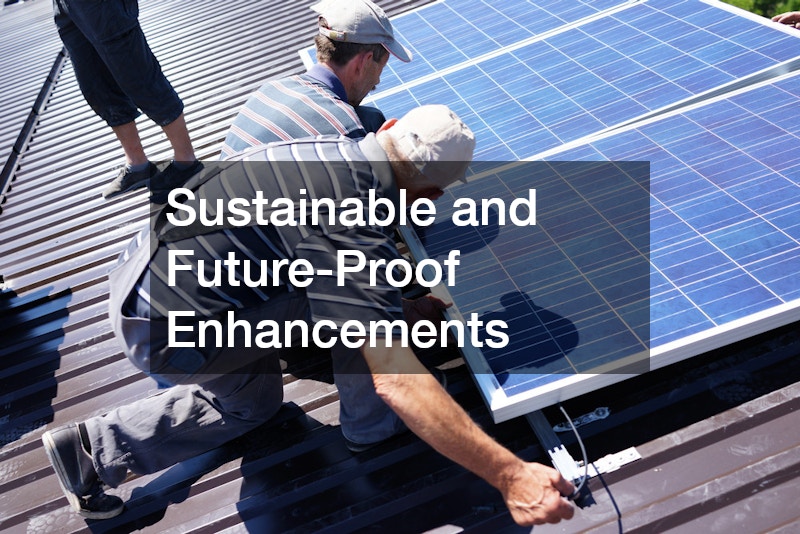
As modern homeowners look for ways to lower their long-term operational costs, integrating sustainable technologies during the initial renovation phase has become a popular strategy. Upgrading a home’s utility framework offers a unique window of opportunity to implement green solutions that reduce monthly utility expenditures. These improvements not only benefit the environment but also appeal greatly to future buyers if the property is ever resold.
Transitioning a fixer-upper toward energy independence often involves looking toward the sky for alternative power sources. Budgeting for a professional solar panel installation allows buyers to offset their traditional electrical grid dependence right from the start. While the initial investment for a high-quality solar array and backup battery system can be significant, federal tax credits, local state incentives, and long-term utility savings often create a highly favorable return on investment over time. Integrating these advanced energy systems requires careful planning alongside the structural upgrades, ensuring the roof can support the hardware for decades to come. By prioritizing alternative energy during the initial phase of the remodel, buyers can effectively lock in predictable utility costs and safeguard their household budget against future energy price spikes. These updates provide substantial monthly financial relief.
Overhauling the Core Living Spaces
With the home’s exterior shell, structural boundary, and mechanical infrastructure fully secured, the renovation focus can finally shift toward the high-traffic interior spaces. These are the rooms where the occupants will spend the vast majority of their time, and they carry the highest weight when determining the home’s final appraisal value. The main culinary space is widely considered the true center of the household, serving as both a functional workspace and a social gathering hub.
Embarking on a comprehensive kitchen remodeling venture is typically the most expensive interior project a first-time buyer will undertake, but it also offers some of the highest aesthetic returns. A complete overhaul involves optimizing the room’s physical layout, updating the light fixtures, installing modern appliances, and ensuring smooth traffic flow.
Within this workspace, storage configuration plays an incredibly important role in daily organization and overall visual appeal. Opting for durable, semi-custom, or fully customized storage units changes the entire dynamic of the room. Investing in gorgeous custom cabinets allows the buyer to maximize every square inch of available wall space, providing specialized storage solutions that big-box stock options simply cannot match. Because cabinetry often consumes a massive portion of the overall interior budget, selecting high-quality materials and professional installers is essential for ensuring that the investment lasts for many years without showing structural wear. Premium hardware options further enhance long-term usability.
Enhancing the Surfaces and Personal Spa Retreats

A truly transformed kitchen requires more than just durable storage units; it needs robust, highly functional work surfaces that can withstand daily use while elevating the room’s design language. The selection of materials for these surfaces bridges the gap between raw utility and high-end luxury, tying the entire visual concept of the main living space together.
Finishing the culinary workspace requires hiring professional countertop services to source, measure, cut, and install the perfect material slabs. Whether the homebuyer chooses the timeless beauty of natural granite, the uniform durability of engineered quartz, or the budget-friendly flexibility of modern laminates, the precision of the installation is what guarantees a seamless finish.
Directly following the main cooking area, the secondary high-value zone that demands careful financial planning is the primary washroom. A poorly designed or outdated wash space can make a home feel remarkably uninviting, while a modern layout acts as a peaceful, private retreat. Executing a comprehensive bathroom remodel requires a delicate balance of waterproofing, tiling, lighting design, and fixture selection. From upgrading a small powder room with a new vanity to converting a cramped master bath into a luxurious walk-in wet room, managing these multi-trade interior updates requires clear cost expectations and an experienced team of professionals to ensure everything remains completely watertight. Proper ventilation enhancements must also accompany these updates.
Constructing a Foolproof Contingency Budget
One of the most frequent mistakes a first-time homebuyer makes when purchasing a distressed property is spending their entire capital pool on the apparent, visible problems. When stripping away old wallpaper, pulling up stained carpets, or opening up old wall cavities, contractors routinely uncover hidden historical defects that were completely invisible during the initial walkthrough. These surprises can include ancient structural insect damage, bootlegged electrical wiring variations, structural rot from past leaks, or non-compliant framing modifications made by previous owners.
To prevent these inevitable discoveries from completely halting the project’s momentum, establishing a dedicated financial safety net is an absolute necessity. Industry experts universally recommend setting aside a separate, liquid contingency fund consisting of fifteen to thirty percent of the total estimated renovation budget. This money should remain completely untouched during the early decorative planning phases, serving strictly as a defensive shield against structural surprises. If the renovation goes perfectly smoothly without uncovering major hidden disasters, this extra capital can be safely deployed at the very end of the project for premium material upgrades, landscaping enhancements, or high-end furniture pieces. Treating this buffer as a mandatory expense rather than an optional luxury keeps buyers safe from severe financial stress. Maintaining financial flexibility significantly reduces project anxiety.
Staging the Renovation with a Logical Sequence

Beyond managing the financial spreadsheet, understanding the physical order of operations is what truly separates a stressful renovation from a highly efficient, successful transformation. Contractors cannot work on top of one another without causing severe delays, safety hazards, and accidental damage to newly completed work. A first-time buyer must recognize that a house must be repaired from the outside in, and from the structural foundation up to the final cosmetic paint layer.
Tackling structural repairs, exterior waterproofing, and heavy lot clearing always occurs first to establish a dry, secure environment. Following the exterior stabilization, the rough mechanical infrastructure teams take over the interior, running heavy lines through the exposed studs before any insulation or drywall seals the cavities. Only after the walls are completely finished, primed, and painted should the delicate decorative elements, finish materials, and premium fixtures be brought onto the job site. This logical staging protects expensive materials from construction dust and prevents labor trade conflicts, ensuring that every hard-earned dollar spent yields the highest possible quality finish. A well-managed timeline respects the requirements of each trade group.
Embracing the Journey to Homeownership
Taking on a fixer-upper is undoubtedly a massive undertaking that tests a homebuyer’s patience, financial discipline, and decision-making skills. However, by carefully vetting local trade professionals, respecting the true market costs of skilled labor, and maintaining a realistic perspective on project timelines, first-time buyers can navigate the process with minimal friction. The transformation of a weathered property into a beautiful, functional home is an incredibly rewarding journey. Armed with accurate cost data and a logical plan, anyone can step into the real estate market ready to turn their architectural vision into a solid financial reality. With realistic preparation, a house successfully becomes a treasured home.