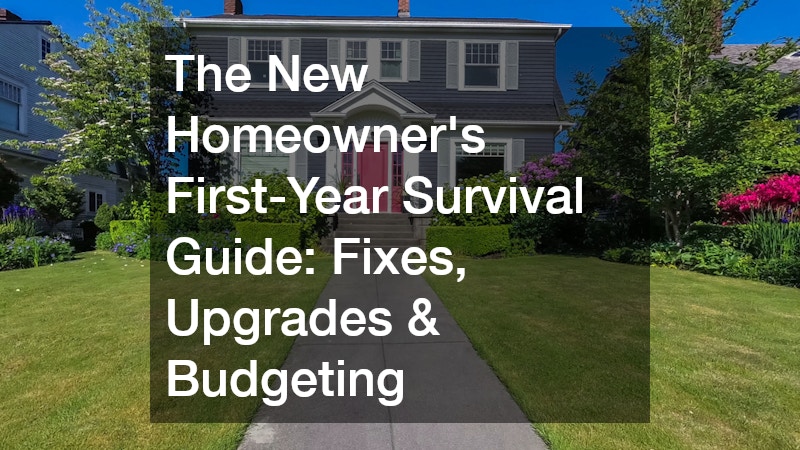
Taking ownership of a new house is one of life’s most thrilling and rewarding milestones. The initial weeks are usually filled with genuine excitement, color palettes, furniture layouts, and grand visions of future gatherings with family and friends. Yet, once the closing documents are signed, the keys exchange hands, and the moving boxes are cleared away, reality often sets in. Every house, whether a brand-new build or a century-old classic, presents a unique set of ongoing maintenance demands, unforeseen repairs, and cosmetic possibilities. For first-time buyers, managing these competing priorities without exhausting their hard-earned savings can quickly feel like a daunting task.
The secret to a successful first year of homeownership lies in structured prioritization. Trying to tackle every cosmetic project while ignoring hidden mechanical vulnerabilities is a quick recipe for financial stress and unexpected disruption. Wise property owners quickly learn to divide their initial twelve months into distinct operational phases. By prioritizing critical life-safety and mechanical systems first, securing the home’s exterior drainage envelope next, and gradually moving toward high-impact cosmetic enhancements, buyers can protect their financial investment while steadily building long-term equity.
This comprehensive survival guide offers a practical, month-by-month framework designed to help new homeowners navigate the complexities of residential property care. From identifying urgent structural fixes and working with licensed trade professionals to establishing a reliable home emergency fund, this roadmap ensures that every single step taken adds lasting value, security, and personal comfort to the modern home.
Months 1 to 2: Securing Mechanical Systems and Climate Control
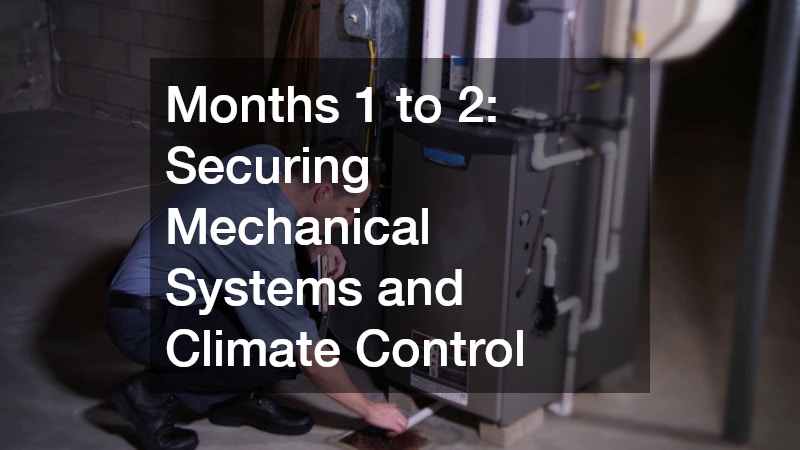
During the first two months in a new home, property buyers should direct their full attention toward basic functional safety, interior climate comfort, and core utility performance. Before worrying about wall colors, furniture arrangements, or decorative light fixtures, it is essential to ensure that the primary mechanical systems are operating reliably, safely, and efficiently. A standard pre-purchase home inspection highlights existing macro-level concerns, but routine daily living often reveals subtle mechanical weaknesses that were easily overlooked during a brief initial walkthrough.
Heating and cooling systems require immediate professional evaluation during this initial settling period. Air filters ought to be replaced right away to maximize airflow, supply registers checked for blockages, and thermostat programming calibrated for optimal seasonal efficiency. If an aging heating unit struggles to maintain consistent indoor temperatures, makes unusual rattling noises, or shows clear signs of neglected maintenance, contacting a qualified technician for prompt HVAC repairs can prevent a sudden breakdown during seasonal temperature spikes. Addressing small mechanical glitches early protects compressor life, improves indoor air quality, and keeps monthly utility bills from rising unexpectedly.
Plumbing system health is another top priority during this opening homeownership stage. Buyers should locate their main water shutoff valve immediately, test emergency shutoff valves, and check all exposed supply lines beneath sinks, behind toilets, and around laundry hookups. Hot water delivery is particularly critical for everyday household functions and hygiene. If a water heater displays signs of tank corrosion, minor leaks around the base fittings, or fails to heat water consistently, scheduling a professional water heater repair should be handled immediately. Timely plumbing intervention prevents catastrophic water leaks that could easily damage surrounding subflooring, joists, and finished interior walls.
Months 3 to 4: Defending the Exterior Envelope and Roof Infrastructure
With internal climate control and main plumbing lines stabilized, attention must shift toward protecting the exterior building envelope. The third and fourth months are all about water management, exterior weatherproofing, and long-term structural integrity. Uncontrolled rainwater is arguably the single greatest threat to a building’s foundation, exterior siding, and internal wood framing. Establishing proper drainage pathways early on shields the property from structural settlement, subterranean mold growth, and expensive repair bills later down the road.
Roof gutters and downspouts play a vital role in harvesting rainwater from the roof deck and directing it safely away from foundation walls. When gutters become clogged with leaves, pine needles, and airborne grit, water overflows and pools directly around the perimeter of the foundation. Over time, this standing water exerts significant hydrostatic pressure against basement or crawlspace walls, leading to structural cracks, internal dampness, and localized soil erosion. Hiring a professional gutter guard installer to fit high-quality mesh or micro-mesh covers over existing gutters is one of the most effective preventive steps a property owner can take to protect their foundation.
Beyond gutter protection, home buyers should carefully inspect exterior trim, roof flashing, and ground grading around the entire perimeter. Soil ought to slope away from the foundation at a pitch of at least six inches over the first ten feet. Making simple adjustments to downspout extensions and soil levels during these middle months ensures that heavy seasonal downpours will flow harmlessly away from the home, keeping basement walls dry and preventing water intrusion during severe weather events.
Months 5 to 6: Managing Property Boundaries and Landscape Safety

As the middle of the first year approaches, focus naturally transitions from immediate exterior defense to boundary management, tree care, and overall curb appeal. Defining outdoor property lines and clearing overgrown vegetation enhances both home security and neighborhood aesthetic standing. A well-maintained yard not only boosts property value but also prevents intrusive tree roots and heavy branches from encroaching on home structures or utility lines.
Overgrown trees, dying shrubbery, and neglected lawn areas can quickly turn into major safety hazards during heavy storms or high winds. Branches hanging over rooflines invite unwanted pests, scratch exterior siding, and drop heavy organic debris onto fresh roof shingles. Partnering with a licensed landscaper company helps new owners clear away dead vegetation, trim hazardous tree limbs, and design a manageable lawn maintenance routine tailored to local soil conditions. Professional groundskeeping also establishes proper turf health and weed control, setting the stage for vibrant outdoor spaces.
Property privacy and perimeter safety are equally important considerations during this stage of homeownership. Inspecting existing boundary markers and property lines helps clarify where personal maintenance responsibilities start and end. If existing wooden, vinyl, or chain-link barriers are decaying, unstable, or missing entirely, investing in sturdy new fencing provides immediate security, defines child and pet play areas, and establishes clear, attractive boundaries between neighboring properties.
Months 7 to 8: Optimizing Outdoor Living and Irrigation Efficiency
By the seventh and eighth months, homeowners are typically ready to transition into enhancing their outdoor living experience. Having secured the home’s primary mechanicals, building envelope, and property boundaries, the focus turns to making outdoor spaces comfortable, functional, and efficient for seasonal entertainment and family relaxation.
Efficient lawn hydration becomes paramount during warm summer months when turfgrass requires consistent moisture to remain green and healthy. Automatic underground irrigation systems save significant time and energy, but older systems frequently suffer from broken sprinkler heads, leaking underground valves, or incorrect controller programming. Booking a specialized technician for targeted sprinkler repair ensures that grass and garden beds receive uniform moisture without wasting hundreds of gallons of water each month. Proper head placement also prevents overspray against exterior home walls, preserving paint finishes and preventing wood rot.
Creating an inviting space for outdoor dining, grilling, and leisure is another popular milestone during this phase. Transforming a plain grass yard or cracked concrete slab into an elegant outdoor living hub requires careful hardscape planning. Working alongside an experienced patio contractor allows homeowners to select durable materials like paver stones, stamped concrete, or natural flagstone that match the architectural style of their home. A well-designed patio seamlessly extends interior living space into the fresh air, creating a functional zone for relaxation.
Months 9 to 10: Planning High-Impact Interior Renovations
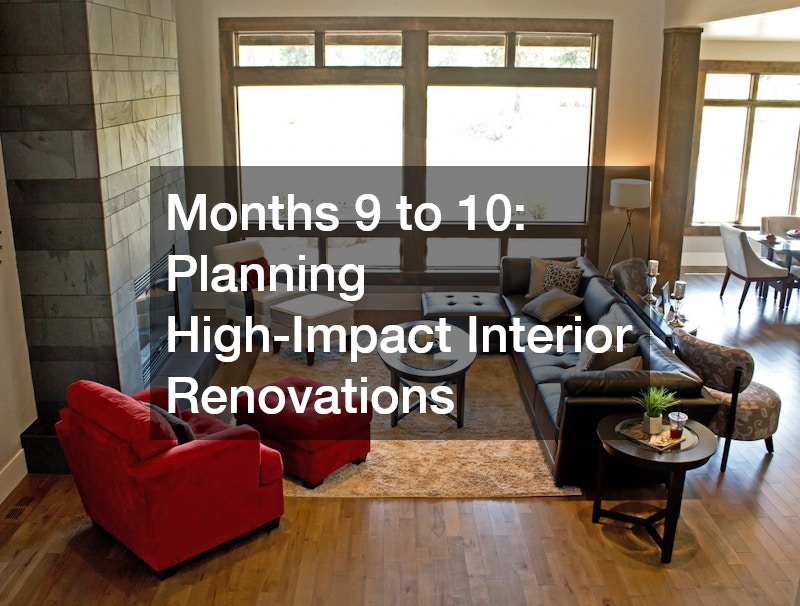
Entering the final quarter of the first year is the ideal time to turn attention back to interior living quarters. Having lived in the home for nine months, buyers now thoroughly understand daily traffic flow, storage shortages, lighting deficiencies, and space layout limitations. This period of real-world observation prevents impulsive design choices and ensures that interior investments address genuine lifestyle needs.
Executing successful interior renovations requires skilled professional coordination and thorough planning. Finding a fully licensed and insured remodeling contractor is essential for keeping complex projects on schedule, within budget, and compliant with local building codes. A reliable contractor manages material procurement, secures necessary municipal permits, coordinates specialized subcontractors, and ensures structural integrity throughout the renovation process. Establishing clear communication and detailed project scopes during this phase guarantees a smooth construction process from tear-out to final walkthrough.
Among interior updates, wet areas like kitchens and bathrooms yield the highest daily satisfaction and property value returns. Executing a thoughtful bathroom remodel can turn a cramped, outdated space into a modern, energy-efficient sanctuary. Upgrading plumbing fixtures, installing custom tiled showers, improving mechanical ventilation, and maximizing cabinet storage not only enhances personal daily comfort but also serves as a prime feature whenever the home eventually returns to the market.
Months 11 to 12: Unlocking Unused Square Footage and Lower Levels
As the first year comes to a close, homeowners often look for opportunities to expand their functional living space without altering the building’s exterior footprint. Unfinished lower levels represent significant untapped potential, offering valuable square footage that can be adapted for a wide variety of household activities, hobbies, and remote work setups.
Transforming dark, utilitarian spaces into active living zones requires careful environmental planning and thermal preparation. Before hanging drywall or laying subfloors, moisture levels must be thoroughly tested, foundation walls sealed, and insulation upgraded to meet local building codes. Completing custom basement remodels can add dedicated home offices, guest suites, media entertainment rooms, or children’s play areas. Proper insulation, subflooring, and lighting convert cold concrete lower levels into warm, inviting spaces that increase usable square footage significantly.
Finishing lower-level spaces also delivers an exceptional return on investment when executed correctly. By installing proper egress windows, soundproofing floor joists, and incorporating efficient climate control zones, property owners gain functional living space at a fraction of the cost per square foot required for building an above-ground room addition. This final major project serves as the perfect culmination of a productive, value-adding first year in the home.
Establishing a Year-Round Preventive Maintenance Schedule

In addition to major projects, developing a seasonal routine for basic preventative care preserves component lifespan across all major home systems. Simple quarterly checkups keep minor wear and tear from spiraling into costly structural or mechanical failures. Organizing maintenance activities by season ensures that no critical system is neglected during busy seasonal transition periods.
Spring and summer tasks should focus primarily on exterior water control, outdoor cooling equipment cleaning, and lawn system checkups. Fall routines require inspecting furnace heat exchangers, clearing roof gutters, and winterizing outdoor hose bibs before freezing temperatures arrive. Winter care involves monitoring interior humidity levels, inspecting attic insulation for thermal leaks, and regularly testing smoke and carbon monoxide detectors. Following a strict seasonal rhythm keeps household systems operating efficiently and prevents costly emergency service calls year after year.
Building a First-Year Budgeting and Emergency Framework
Successfully navigating long-term homeownership requires ongoing financial discipline alongside physical home repairs. Unplanned maintenance needs will inevitably arise over time, making a structured financial strategy just as critical as finding skilled trade professionals. Financial advisors universally recommend establishing a dedicated home emergency fund equal to one to two percent of the total purchase price of the property each year.
Creating a rolling reserve fund ensures that unexpected equipment failures or minor storm damages do not compromise household stability. Rather than relying on high-interest credit cards for emergency fixes, setting aside a set monthly allocation allows homeowners to pay cash for necessary service calls and ongoing maintenance items. Combining this emergency fund with routine seasonal inspections prevents small maintenance issues from compounding into massive financial burdens down the road.
Building strong relationships with local service providers is another key strategy for successful long-term home management. Keeping an organized digital or physical binder containing vendor contacts, warranty documents, appliance user manuals, and detailed repair invoices saves valuable time during unexpected emergencies. When homeowners approach residential property care with a structured plan, clear financial reserves, and trusted trade partnerships, they successfully transform potential homeownership stress into lasting peace of mind, improved property value, and true pride of ownership.