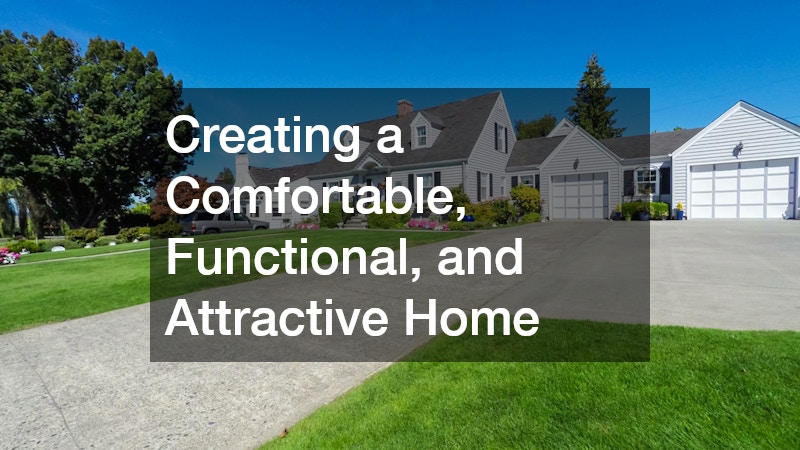
A comfortable, functional, and attractive home is not created by chance—it is the result of thoughtful planning, consistent maintenance, and well-informed decisions about both structure and design. While aesthetics often get the most attention, the true quality of a home depends on how well its systems work together: its foundation, roof, climate control, layout, and outdoor spaces all contribute to daily livability.
Homeowners today are increasingly focused on long-term value rather than quick cosmetic fixes. That means considering how each improvement impacts durability, efficiency, and comfort over time. A well-designed home should support daily routines, reduce stress, and require fewer emergency repairs.
Whether you are building from scratch, renovating an older property, or simply upgrading key systems, the goal is the same: create a space that feels good to live in, works efficiently behind the scenes, and maintains its appeal for years to come. The following sections break down the most important areas of the home and provide practical, actionable strategies to improve each one.
Building a Strong Foundation for Long-Term Comfort
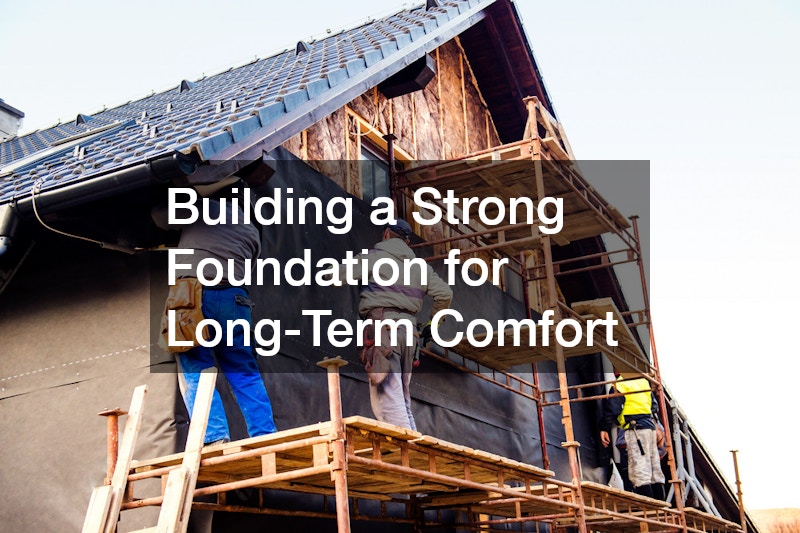
A home’s foundation and structural integrity directly impact everything above it. Cracks, shifting, or uneven settling can lead to flooring issues, wall damage, and even long-term safety risks. Ensuring a stable base is one of the most important investments a homeowner can make. What often gets overlooked is how small environmental factors—such as soil composition, seasonal moisture changes, and drainage patterns—can gradually influence foundation performance. Homes built on expansive clay soils, for example, may experience more movement as moisture levels fluctuate throughout the year, making preventive planning especially important. Even landscaping decisions near the perimeter of a home can affect how water drains and accumulates around the foundation, which is why grading and runoff control matter as much as the concrete itself.
Working with a concrete contractor is often necessary when addressing foundational improvements, driveways, patios, or structural slabs. Their expertise ensures that materials are properly mixed, poured, and cured to withstand long-term environmental stress. Proper curing time is especially critical, as rushing the process can lead to premature cracking or surface weakness that worsens over time. Quality workmanship also includes reinforcement techniques such as rebar placement and control joints, which help manage natural expansion and contraction. In many cases, homeowners also rely on contractors to assess whether existing slabs can be repaired or whether full replacement is the safer long-term option.
In more complex projects, general contracting services help coordinate multiple phases of construction. This is especially important when structural repairs are part of a larger renovation plan. Having a single point of oversight helps reduce miscommunication between trades and ensures that structural work is properly aligned with framing, plumbing, or finishing stages. It also allows homeowners to better manage budgets and timelines, since overlapping tasks can be scheduled more efficiently within a single coordinated plan.
- Look for early warning signs such as cracks in walls or uneven flooring
- Ensure proper drainage around the foundation to prevent water damage
- Prioritize high-quality materials over short-term cost savings
- Schedule regular inspections for aging homes
- Evaluate soil conditions before adding new structural loads or extensions
Additional tips for large-scale projects:
- Confirm permits and code compliance before starting work
- Coordinate timelines between structural and finishing trades
- Plan for weather-related delays in outdoor concrete work
- Use experienced professionals for load-bearing modifications
- Allow adequate time for soil preparation and site grading before construction begins
A strong foundation is not just about physical stability—it also supports peace of mind, knowing the home is built to last.
Designing a Home That Starts with Smart Construction Planning
The design phase of a home plays a critical role in how functional and comfortable it will be once completed. Poor planning can lead to wasted space, inefficient layouts, and costly redesigns later on. One of the most important aspects of this stage is thinking beyond aesthetics and focusing on how the home will actually be lived in day to day. This includes anticipating future needs, such as family growth, aging in place, or the possibility of working from home, all of which can significantly influence layout decisions.
Home builders play a key role in translating ideas into livable spaces. Their experience helps ensure that floor plans are not only visually appealing but also practical for everyday use. They can also identify design limitations early in the process, preventing expensive changes once construction has already begun. In many cases, experienced builders will suggest small adjustments that dramatically improve livability, such as repositioning doorways, adjusting ceiling heights, or improving natural light distribution throughout key living areas.
When planning a new home or major addition, consider the following:
- How traffic will flow between rooms
- Where natural light enters the home
- How storage needs will change over time
- Whether spaces can serve multiple functions
- How future renovations or expansions might be accommodated without major disruption
Practical design strategies:
- Open floor plans can improve connectivity, but should still define functional zones
- Bedrooms should be positioned for privacy and noise reduction
- Kitchens should be designed around workflow efficiency
- Entryways should include storage for shoes, coats, and daily essentials
- Bathrooms and utility spaces should be placed for convenience and plumbing efficiency
Working closely with builders during the planning stage helps avoid common mistakes such as undersized rooms, awkward layouts, or insufficient storage. Thoughtful planning early on ensures the home feels intuitive and comfortable for years to come.
Protecting Your Home from the Top Down

The roof is one of the most important protective systems in any home. It protects the structure from the elements, regulates moisture exposure, and significantly improves energy efficiency. Even small issues can quickly escalate if ignored, especially because roof damage often begins in areas that are not easily visible from the ground. Over time, exposure to sun, wind, rain, and snow can weaken materials, making routine inspections essential for preventing costly repairs. Proper attic ventilation also plays a major role in roof longevity, as trapped heat and moisture can accelerate deterioration from the inside out.
Roofing services are essential for maintaining the integrity of this system. Regular inspections can help identify missing shingles, leaks, or weakened flashing before they become serious problems. In many cases, early intervention can extend a roof’s lifespan by several years and prevent damage from spreading into insulation, ceilings, and interior walls. Professional assessments also ensure that repairs match existing materials and maintain consistent weather resistance across the entire surface.
Water management is equally important. A gutter contractor ensures that rainwater is properly directed away from the home, preventing foundation damage, siding deterioration, and basement flooding. Without a properly functioning drainage system, even a structurally sound roof can still contribute to long-term water-related issues around the property.
- Inspect roof surfaces at least twice per year
- Check for loose or missing shingles after storms
- Look for signs of water stains in attic spaces
- Ensure flashing around vents and chimneys is secure
- Examine roof edges for curling, cracking, or granule loss
Gutter system best practices:
- Clean gutters seasonally to prevent blockages
- Ensure downspouts direct water away from the foundation
- Install guards to reduce debris buildup
- Check for sagging or detachment after heavy rainfall
- Flush gutters with water to confirm proper flow and drainage
A well-maintained roof and drainage system protects not just the structure, but the entire home investment.
Creating Energy Efficiency and Indoor Comfort Year-Round
Indoor comfort depends heavily on heating, ventilation, and cooling systems. A well-functioning HVAC system ensures consistent temperatures, better air quality, and lower energy costs. Beyond temperature control, these systems also influence humidity levels, particle filtration, and overall indoor health. Homes with poorly maintained systems often experience uneven heating or cooling, excessive dust buildup, and higher utility bills, all of which reduce day-to-day comfort and long-term efficiency.
An HVAC contractor plays a crucial role in system installation, maintenance, and upgrades. Their expertise ensures the equipment is properly sized for the home and operates efficiently. Proper sizing is especially important—an oversized system may cycle too frequently, while an undersized system will struggle to maintain consistent temperatures. Both scenarios lead to unnecessary wear, reduced efficiency, and higher operating costs. Professional evaluation also helps determine whether ductwork improvements or system upgrades are needed to optimize performance.
Ways to improve indoor comfort:
- Replace air filters regularly to improve airflow
- Seal windows and doors to reduce energy loss
- Use programmable thermostats for temperature control
- Schedule seasonal maintenance for heating and cooling systems
- Keep vents and returns unobstructed to ensure balanced airflow throughout the home
Energy efficiency tips:
- Upgrade insulation in attics and walls to reduce heat transfer
- Use ceiling fans to support air circulation
- Avoid blocking vents with furniture or décor
- Consider zoning systems for larger homes
- Seal ductwork leaks to prevent conditioned air loss
A properly maintained HVAC system creates a stable indoor environment, reducing strain on equipment and improving overall livability. Over time, these improvements not only enhance comfort but also reduce energy consumption and contribute to a more sustainable home.
Transforming Interior Spaces for Better Functionality
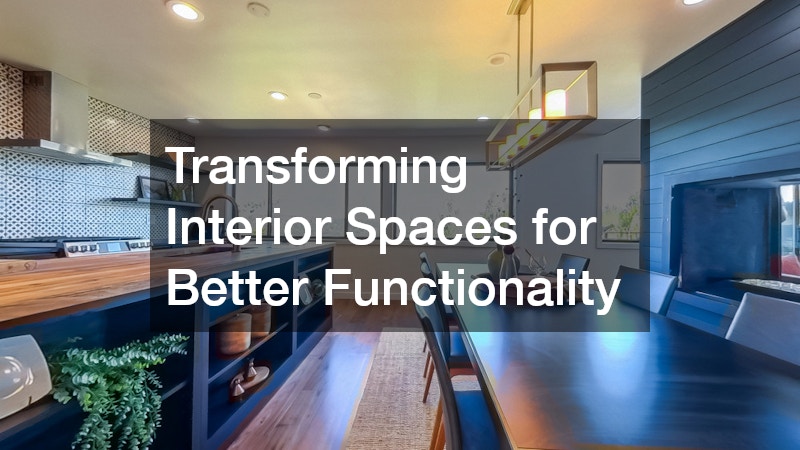
Interior spaces should support daily routines while remaining flexible for changing needs. Kitchens, living rooms, and bedrooms benefit from thoughtful updates that improve both efficiency and comfort.
A remodeling contractor helps manage these upgrades by coordinating design, materials, and construction work. Their oversight ensures that plumbing, electrical, and structural elements are properly integrated.
Effective interior improvement strategies:
- Prioritize high-use areas such as kitchens and living rooms
- Use durable materials that can withstand daily wear
- Incorporate built-in storage to reduce clutter
- Improve lighting layers for functionality and ambiance
Common remodeling enhancements:
- Expanding kitchen counter space for better workflow
- Opening up walls to improve natural light
- Upgrading flooring for durability and style consistency
- Reconfiguring layouts for better room usability
Interior remodeling is most successful when it balances aesthetics with practicality, ensuring the home works as well as it looks.
Enhancing Bathroom Comfort and Efficiency
Bathrooms are among the most frequently used spaces in any home, making functionality and durability especially important. Poor design or outdated fixtures can lead to inefficiency and discomfort.
A bathroom remodeling contractor specializes in upgrading these spaces to improve usability, moisture control, and visual appeal.
Key bathroom improvement ideas:
- Install water-efficient fixtures to reduce utility costs
- Improve ventilation to prevent mold and moisture buildup
- Use slip-resistant flooring for safety
- Maximize storage with built-in shelving or cabinetry
Design considerations:
- Choose materials resistant to humidity and temperature changes
- Ensure proper lighting for both task and ambient use
- Optimize layout for movement and accessibility
- Incorporate easy-to-clean surfaces for long-term maintenance
Well-planned bathroom upgrades significantly enhance daily comfort while increasing overall home value.
Improving Outdoor Living and Curb Appeal

Outdoor spaces play a major role in how a home is experienced. A well-designed yard can extend living areas, improve curb appeal, and increase property value.
Landscaping is a key element in creating visually appealing and functional outdoor environments. Thoughtful plant selection, layout design, and maintenance all contribute to a balanced outdoor space.
A landscaping contractor can help execute larger projects that involve grading, irrigation systems, or complex design layouts.
Outdoor improvement strategies:
- Create defined zones for dining, relaxation, and recreation
- Use native plants for easier maintenance and sustainability
- Install lighting for safety and nighttime usability
- Incorporate pathways to improve flow and accessibility
Maintenance tips:
- Trim plants regularly to maintain shape and health
- Refresh mulch seasonally to retain soil moisture
- Monitor irrigation systems for leaks or inefficiencies
- Remove debris to keep outdoor areas clean and inviting
A well-maintained exterior creates a strong first impression and enhances everyday enjoyment of the property.
Bringing All Home Systems Together for Long-Term Performance
A truly functional home requires coordination between all its systems. Structural, mechanical, and aesthetic components must work together to avoid inefficiencies and costly conflicts during renovations.
General contracting services are essential for managing large or multi-phase projects. They ensure that timelines, budgets, and tradespeople are properly coordinated from start to finish.
Benefits of coordinated project management:
- Streamlined communication between all contractors
- Reduced risk of scheduling conflicts or delays
- Improved quality control across multiple phases
- More accurate budgeting and cost tracking
Best practices for large home projects:
- Develop a clear project timeline before work begins
- Establish priorities to determine project sequencing
- Conduct regular progress check-ins
- Ensure all work meets local building codes
Coordinating improvements holistically ensures the home functions as a unified system rather than a collection of disconnected upgrades.
Creating a comfortable, functional, and attractive home requires attention to both visible design and behind-the-scenes systems. When structure, efficiency, and aesthetics are all considered together, the result is a home that not only looks good but also performs reliably over time.
Thoughtful planning, consistent maintenance, and strategic improvements allow homeowners to build spaces that support their lifestyle while increasing long-term value.