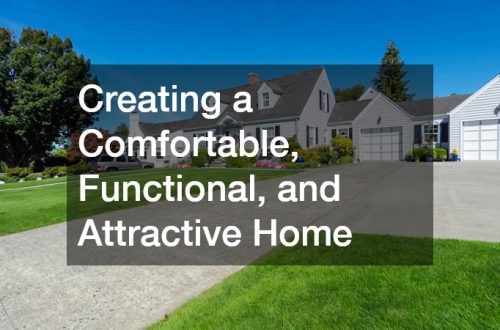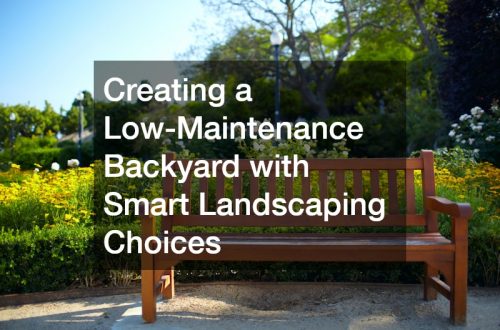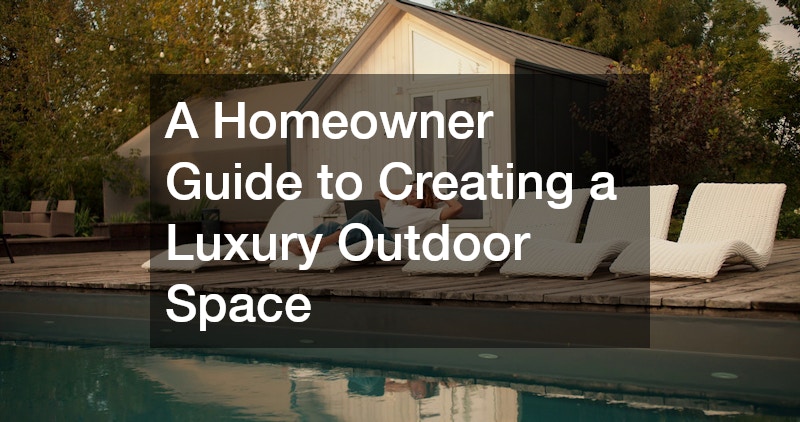

The concept of the backyard has undergone a dramatic evolution over the past decade. No longer viewed simply as a utilitarian patch of grass for pets to roam or a place to store a rusty charcoal grill, the modern backyard has been elevated to a seamless extension of the home’s interior living space. Today’s homeowners are demanding resort-style amenities just steps from their back doors. This shift represents a deeper understanding of how our environments impact our daily well-being, transforming the yard into a personalized sanctuary designed for relaxation, entertainment, and escaping the relentless pace of modern life.
Investing in a premium outdoor space provides dual benefits that few other home renovation projects can match. On a personal level, it fundamentally changes how you experience your home. It encourages alfresco dining on warm summer evenings, provides a private retreat for morning coffee, and creates an unparalleled venue for hosting family and friends. On a financial level, a meticulously designed luxury exterior yields a significant return on investment. High-end outdoor kitchens, custom aquatic features, and cohesive architectural layouts dramatically boost a property’s market value and curb appeal, often becoming the defining feature that sets a home apart in a competitive real estate market.
This comprehensive guide is designed to walk you through the multi-layered process of conceptualizing, building, and maintaining a luxury outdoor oasis. We will cover the critical importance of spatial planning, establishing structural foundations, integrating bespoke aquatic features, designing layered greenery, and implementing the ongoing maintenance required to protect your investment. A truly successful, high-end outdoor space does not happen by accident. It requires treating the exterior with the exact same level of meticulous spatial planning, budgeting, and layered design as a luxury interior renovation.
Establishing Your Foundation with Purposeful Zones
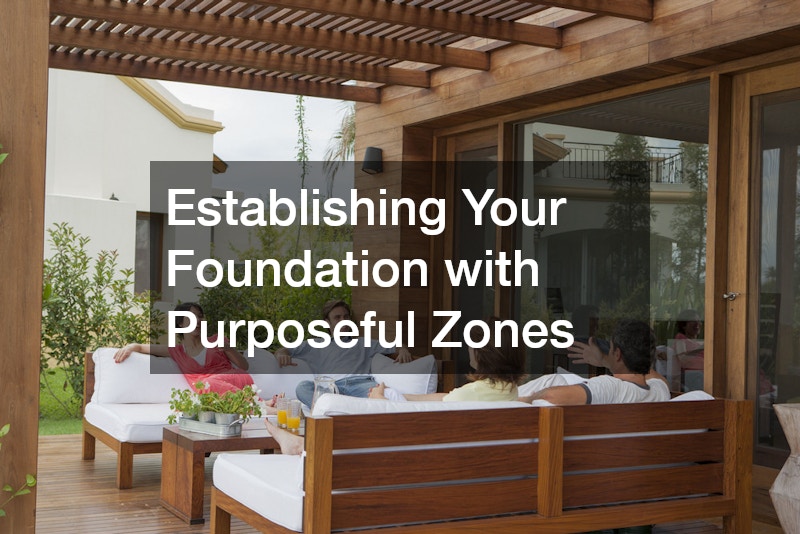
Before you look at a single plant or consider the color of your outdoor cushions, you must establish the physical and structural foundation of the yard. The most common mistake homeowners make is treating their backyard as one giant, undefined space. Luxury design is rooted in organization and flow. You must break the yard down into distinct, functional “rooms” that cater to your specific lifestyle needs while ensuring they all connect cohesively.
Map Out Functional Areas Based on Your Lifestyle
The architectural concept of outdoor zoning is critical to a high-end feel. Begin by identifying the primary activities you want to host in your backyard. Typically, these fall into three categories: dining, lounging, and cooking.
-
The Cooking Zone: Your outdoor kitchen should be situated relatively close to your indoor kitchen to make the transfer of food, dishes, and supplies seamless. Consider the prevailing wind direction to ensure grill smoke is carried away from your dining and lounging areas.
-
The Dining Zone: This area needs to accommodate a large table and should ideally be placed under a pergola, a shade sail, or a natural tree canopy to provide relief from the midday sun.
-
The Lounging Zone: This space is often situated further back in the yard or adjacent to a pool. It is the perfect location for deep-seating outdoor sofas, a fire feature, or a bespoke cabana.
When mapping these zones, you must carefully consider the traffic flow. There should be clear, unobstructed pathways between the house, the dining area, and the lounging spaces. You want to avoid forcing guests to walk through the cooking zone to reach the pool, for instance.
Select Premium Materials for Lasting Ground Cover
Once your zones are established, you need to ground them. Moving away from standard poured concrete is one of the fastest ways to elevate the look of your yard. The materials you select for your foundational surfaces dictate the entire aesthetic of the space.
To achieve a resort-like atmosphere, homeowners should explore various hardscape designs that utilize premium natural stones or high-end manufactured materials. Travertine is a highly sought-after option for luxury spaces because it remains cool to the touch even in direct sunlight, making it ideal for barefoot traffic. Bluestone offers a rich, architectural look with its natural slate and rust tones, perfect for modern or traditional aesthetics. Alternatively, large-format porcelain pavers have surged in popularity due to their zero-maintenance appeal, slip resistance, and ability to mimic the look of natural wood or stone without the associated wear and tear.
The visible surface is only half the equation. The longevity of your luxury foundation depends entirely on what lies beneath it. Proper grading to direct water away from your home’s foundation and meticulous base compaction are non-negotiable. If the base layers of crushed stone and sand are not perfectly leveled and compacted, your expensive stone pavers will heave, sink, and crack after a single harsh winter or heavy rainy season. To ensure this structural integrity, it is vital to thoroughly vet a professional patio installer who understands the specific soil conditions of your region and will engineer a base that guarantees decades of flawless performance.
Anchoring the Space with a Custom Aquatic Feature
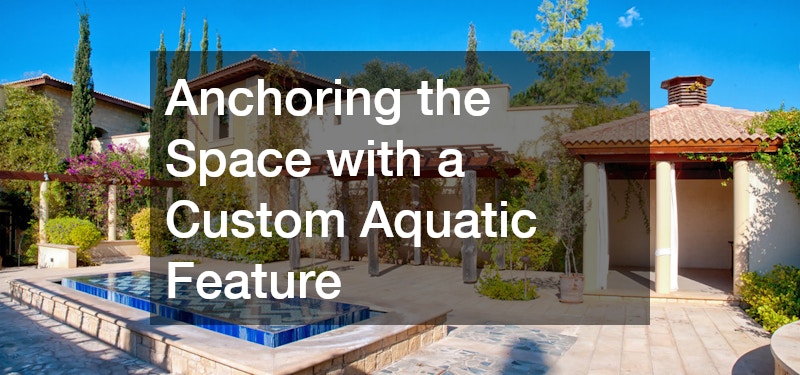
For many homeowners, the ultimate symbol of backyard luxury is a custom water feature. Whether it is a sprawling geometric pool, an intimate plunge pool, or an architectural fountain, water introduces a dynamic element of sound, movement, and reflection that completely transforms the atmosphere of an outdoor space. Planning a luxury aquatic feature is a complex engineering task that dictates the layout of the rest of the yard.
Determine the Ideal Water Feature Dimensions for Your Lot
Before you fall in love with a specific pool shape on a design blog, you must confront the physical and legal realities of your property. Every municipality has strict zoning laws regarding setbacks—the mandatory distance a pool must be from your property lines, your home’s foundation, and your septic system. Furthermore, you need to track the sun’s trajectory across your yard. Placing a pool in a location that is constantly shaded by your home or towering trees will significantly reduce its usability and increase your heating costs.
In luxury design, the trend has shifted away from free-form, kidney-shaped pools toward sleek, geometric designs that run parallel to the home’s architecture. To elevate the aesthetic from standard to extraordinary, consider features like the infinity edge (or negative edge), where the water seamlessly cascades over a lowered weir wall, creating the illusion that the pool blends into the horizon. Additionally, moving away from standard white pool plaster to dark-bottom finishes—like deep gray or French navy—creates a highly reflective, mirror-like surface that looks incredibly sophisticated and naturally absorbs the sun’s heat, warming the water efficiently.
Because the excavation process requires heavy machinery that will disrupt your entire yard, it is crucial to bring in an inground pool installer at the very beginning of your project. They need clear access to the site before any retaining walls, premium fencing, or delicate plantings are established, otherwise, you risk destroying your newly finished elements.
Integrate Luxury Elements Like Swim-Up Bars and Spas
A pool should be more than just a place to swim; it should be a multi-functional entertainment hub. High-end integrations are what separate a standard backyard pool from a five-star resort experience.
-
Tanning Ledges (Baja Shelves): These shallow, six-to-eight-inch deep platforms are perfect for placing in-water lounge chairs and umbrellas, allowing you to cool off without fully submerging.
-
Integrated Raised Spas: A spa that sits slightly above the pool level, featuring a spillover waterfall effect into the main basin, adds a striking architectural focal point and soothing auditory ambiance.
-
Sunken Fire Pits: A fire pit recessed into the pool deck, sometimes even surrounded by the pool water on three sides, creates a stunning visual contrast between fire and water, perfect for evening entertaining.
-
Swim-Up Bars: Incorporating submerged bar stools and a lowered dry-side counter allows guests to enjoy cocktails and conversation without ever leaving the water.
Executing these features requires complex hydraulics, dedicated variable-speed pumps, and advanced structural engineering. Therefore, it is highly recommended to request extensive portfolios from specialized pool contractors to ensure they have a proven track record of successfully delivering these highly customized, intricate additions.
Framing Your Retreat with Layered Plantings
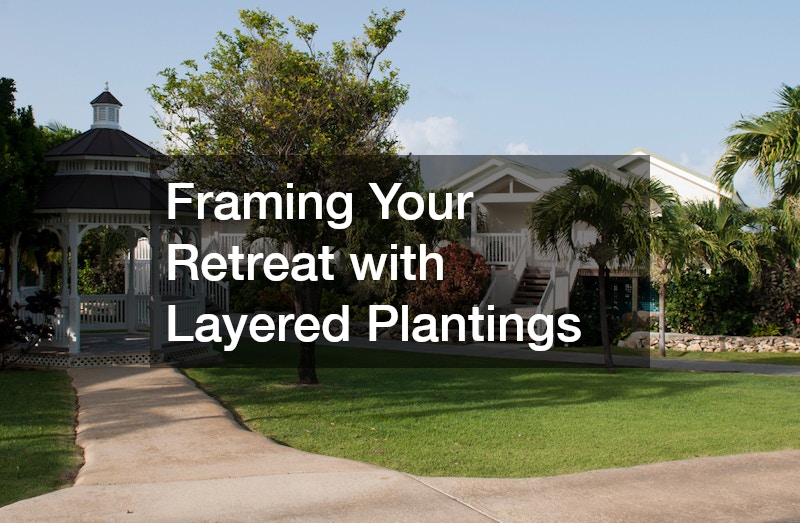
If the hardscaping and the pool act as the skeleton of your outdoor living space, the horticulture serves as the skin and clothing. Greenery is essential for softening harsh architectural lines, introducing vibrant colors and textures, and creating the necessary privacy to make your yard feel like an exclusive sanctuary.
Choose Native, High-Impact Flora for Privacy and Aesthetics
Privacy is the ultimate luxury. In densely populated neighborhoods, you want to be able to enjoy your morning coffee or evening swim without feeling like you are on display. While a high-quality wooden or composite fence provides immediate boundaries, a natural privacy screen feels significantly more organic and elegant.
Instead of relying solely on hard barriers, you can create “living walls” using dense, fast-growing evergreens. Trees like the Green Giant Arborvitae, Skip Laurels, or Leyland Cypress can be planted in tight rows to create a lush, impenetrable visual barrier that absorbs street noise and blocks sightlines. When designing these garden beds, utilize the design rule of planting in odd numbers (groups of three, five, or seven), which naturally looks more pleasing and less rigid to the human eye.
Furthermore, you must layer your plantings by height to create depth. Place your tallest privacy trees in the back, step down to mid-sized ornamental shrubs (like hydrangeas or boxwoods) in the middle, and finish with low-lying ground cover or colorful perennials in the front. Because plant success is entirely dependent on hyper-local factors like soil acidity, drainage, and frost lines, collaborating with a local landscaper is an invaluable step. They understand the microclimates of your specific neighborhood and can recommend native species that will thrive without constant chemical intervention.
Phase Your Planting Schedule to Ensure Year-Round Color
A common flaw in DIY garden design is planting flora that all blooms simultaneously in the spring, leaving the yard looking brown, barren, and depressing for the remaining nine months of the year. A luxury landscape is dynamic and offers visual interest in every season.
To achieve this, you need a highly strategic, phased planting schedule. Your plant palette should include a carefully calculated mix of spring-blooming bulbs, summer-flowering perennials, ornamental grasses that provide texture and movement in the autumn breeze, and a strong backbone of evergreens that maintain their color through the dead of winter. Bark texture and winter berry-producing shrubs can also provide stunning visual contrast against snow.
Visualizing how these plants will interact as they grow is difficult for the untrained eye. This is where high-end landscaping companies add immense value. They utilize advanced 3D architectural rendering software, allowing homeowners to virtually walk through their property and see exactly what the mature plant canopy will look like five, ten, or fifteen years down the road, ensuring the scale of the plants remains proportional to the hardscaping over time.
Protecting Your Investment Through Canopy and Turf Management

Creating a luxury outdoor space requires a significant upfront financial investment, but the work does not stop once the installation is complete. The elements of your backyard are living, breathing organisms that require rigorous, consistent management to thrive. Neglecting the ongoing maintenance of your trees and turf will quickly degrade the high-end aesthetic you worked so hard to build.
Mitigate Shade Hazards and Promote Healthy Growth
Mature trees add immense character, shade, and value to a property, but they also pose significant risks if left unmanaged. Overgrown canopies can block the sunlight necessary for your lawn and under-story plants to survive, while dead or dying branches pose a severe safety hazard to your family, your guests, and your new architectural structures.
Proper canopy management involves highly specific horticultural techniques. “Crown raising” involves removing the lower branches of a tree to improve sightlines and allow more light to reach the ground below, opening up the space. “Deadwooding” is the meticulous process of identifying and removing decaying or diseased branches before they have a chance to fall during a high-wind storm. “Crown thinning” reduces the density of the foliage, allowing wind to pass through the tree more easily, which prevents the entire tree from toppling over in severe weather.
Because working at heights with chainsaws is inherently dangerous, and improper pruning cuts can introduce diseases that easily kill decades-old trees, this is never a DIY task. Contracting certified arborists or professional tree trimming services on an annual basis ensures that your large canopy remains structurally sound, visually beautiful, and perfectly safe for the environment below.
Establish a Rigorous Schedule for Soil and Grass Vitality
The lawn is often the connective tissue that ties the various zones of your backyard together. A patchy, weed-infested lawn instantly detracts from even the most stunning pools and patios. Achieving golf-course-quality turf requires moving far beyond the occasional weekend mowing.
To maintain a dense, vibrant, barefoot-friendly lawn, you must focus on the health of the soil beneath it. This involves a rigorous annual schedule:
-
Core Aeration: Pulling small plugs of soil out of the ground every fall relieves soil compaction, allowing oxygen, water, and nutrients to reach the grass roots.
-
Overseeding and Topdressing: Broadcasting premium grass seed over the aerated lawn and covering it with a thin layer of organic compost encourages thick new growth that naturally chokes out weeds.
-
Soil Testing: Regularly testing the soil pH ensures that the grass has the optimal acidic or alkaline balance to actually absorb the fertilizers you apply.
Executing this level of precision timing for pre-emergent weed control, grub prevention, and customized fertilizer applications is overwhelming for most people. Outsourcing this regimen to premium lawn care services guarantees that your turf receives exactly what it needs, precisely when it needs it, resulting in a lush, emerald-green carpet that perfectly frames your luxury hardscaping.
Extending Usability into the Evening Hours
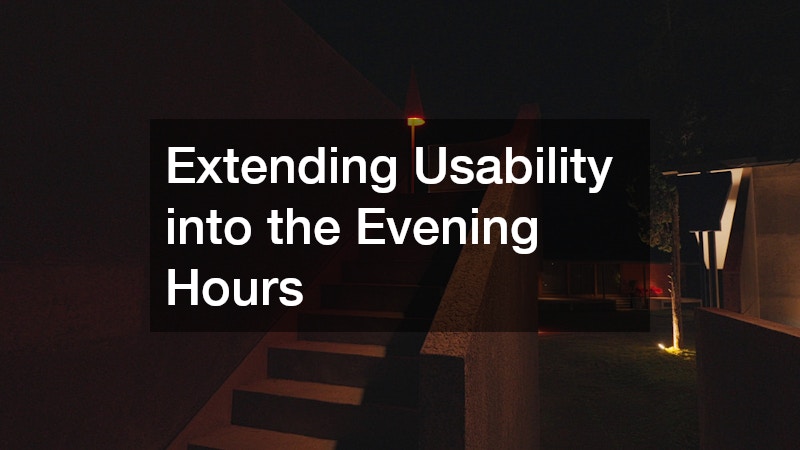
The final layer of a luxury outdoor transformation is ensuring that the space remains functional, safe, and breathtaking long after the sun goes down. A dark backyard is an unusable backyard. By strategically integrating modern technology and sophisticated illumination, you can essentially double the amount of time you are able to enjoy your investment.
Design a Three-Tiered Illumination Strategy
Throwing a single floodlight onto the back of your house does not qualify as outdoor design; it feels harsh, blinding, and sterile. A high-end approach to illumination borrows heavily from interior design principles, utilizing a three-tiered strategy that creates a warm, inviting, and layered ambiance.
-
Task Lighting: This is focused, bright lighting designed for specific activities. It includes bright LEDs positioned directly over the outdoor kitchen grill so you can see what you are cooking, or highly visible step-lights embedded into the hardscaping to prevent tripping hazards on stairs.
-
Ambient Lighting: This provides a soft, overall glow to a space. Think of warm-toned, commercial-grade string lights draped elegantly over a dining pergola, or low-profile under-cap lights hidden beneath the lip of a sitting wall, casting a gentle downward wash of light onto the patio.
-
Accent Lighting: This is the drama. It involves using directional spotlights to highlight the architectural features of your home, or utilizing up-lighting placed at the base of your most magnificent trees to cast striking, sculptural shadows up into the night canopy.
Implementing this strategy effectively requires the use of modern, low-voltage LED landscape lighting. Not only are LEDs highly energy-efficient, but they also allow you to select specific color temperatures. For a luxury resort feel, you should aim for a warm white temperature (around 2700 Kelvin), which mimics the inviting glow of firelight, rather than the sterile blue hue of older LED models.
Automate Your Irrigation and Upkeep Routines
Luxury is synonymous with convenience. You should not have to manually drag a hose across your expensive patio or remember to flip a dozen light switches every evening. Today’s smart home technology seamlessly extends into the backyard.
Installing a smart irrigation controller is one of the smartest investments you can make. These systems connect directly to your local Wi-Fi and adjust watering schedules automatically based on real-time weather forecasts. If it rained heavily yesterday, the system knows to skip today’s cycle, preventing over-watering, saving you money on your utility bill, and protecting your turf from fungal diseases. This automated hydration works beautifully in tandem with your scheduled lawn care, ensuring the grass is properly nourished and watered without requiring daily manual effort from you. Similarly, your entire lighting scheme should be wired to a smart transformer, allowing you to set astronomical timers that automatically turn the lights on at dusk and off at dawn, or enabling you to adjust the dimming levels directly from an app on your smartphone while you sit by the fire.
Conclusion
Creating a luxury outdoor living space is a profound transformation that alters how you interact with your home and family. It is a journey that requires viewing your property not just as a plot of land, but as a multi-dimensional canvas waiting to be optimized. By approaching the project systematically—starting with the structural integrity of earth and stone, anchoring the space with dynamic water features, framing the borders with vibrant, layered greenery, and implementing smart technology—you build an environment of uncompromising quality.
It is important to remember that true luxury is rarely achieved overnight. The most spectacular outdoor spaces are often the result of a carefully phased master plan, executed over the course of several seasons or even years. This phased approach allows you to prioritize the foundational and structural elements first, ensuring the budget is allocated correctly before moving on to the finishing touches.
If you are tired of looking out your back window at unfulfilled potential, the time to act is now. Stop endlessly scrolling through design inspiration boards and begin the tangible work. Start by sketching out your functional zones, determining your budget, and reaching out to specialized professionals. With meticulous planning and a commitment to quality materials, you can transform your basic backyard into a breathtaking, private resort that you will enjoy for decades to come.