
Maintaining a home requires more than occasional cleaning or quick fixes; it demands a proactive mindset that balances upkeep, prevention, and smart improvements. Many homeowners underestimate how small maintenance tasks can prevent costly repairs down the line. When approached strategically, DIY home care can significantly extend the life of major systems and improve overall comfort.
This guide breaks down practical, room-by-room solutions that help homeowners tackle essential maintenance and improvement tasks with confidence. Each section focuses on actionable steps that can be implemented gradually without professional expertise in most cases. By following these structured approaches, you can create a cleaner, safer, and more efficient living environment while avoiding unnecessary expenses.
Exterior Maintenance for Long-Term Home Protection
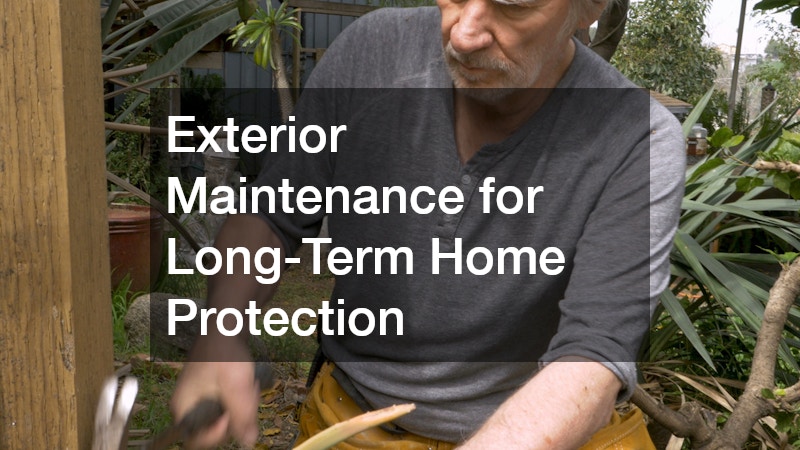
The exterior of a home is constantly exposed to weather, debris, and environmental buildup, making regular maintenance essential. One of the most effective ways to preserve curb appeal and structural integrity is through consistent cleaning and inspection. Dirt, algae, and mildew can gradually degrade surfaces if left untreated, leading to expensive repairs.
A thorough approach to exterior care often includes seasonal maintenance routines that address roofing, siding, and outdoor surfaces. For example, homeowners often benefit from scheduling periodic maintenance involving roof and house washing to remove buildup and prevent long-term staining or damage. This process not only improves appearance but also helps extend the lifespan of exterior materials.
Practical steps for exterior upkeep include:
- Inspecting siding and roofing for visible wear or discoloration
- Clearing debris from exterior walls and trim areas
- Checking for early signs of mold or algae growth
- Scheduling deep cleaning at least once or twice per year
After completing these tasks, it’s important to monitor how surfaces respond over time. Consistent attention prevents minor issues from becoming major structural concerns.
Regular maintenance also makes it easier to identify hidden problems before they escalate. A well-maintained exterior improves energy efficiency and overall home value, making it a critical part of any DIY strategy.
Keeping Interior Floors Fresh and Hygienic
Interior flooring plays a major role in both comfort and cleanliness, especially in high-traffic areas. Over time, dust, allergens, and stains accumulate, requiring more than surface-level cleaning. A structured cleaning routine helps maintain both appearance and hygiene throughout the home.
One of the most overlooked aspects of floor care is deep textile maintenance, particularly in living rooms and bedrooms. Routine rug cleaning is essential for removing embedded dirt and allergens that vacuuming alone cannot reach. This process improves indoor air quality and extends the life of flooring textiles.
To maintain cleaner floors, homeowners should focus on:
- Vacuuming high-traffic areas multiple times per week
- Rotating rugs to ensure even wear
- Treating stains immediately to prevent permanent damage
- Scheduling periodic deep cleaning sessions
After implementing these habits, the overall cleanliness of the home improves noticeably. Floors not only look better but also contribute to a healthier indoor environment.
Consistency is key when it comes to flooring maintenance. Small efforts made regularly reduce the need for intensive restoration work later. This approach also helps preserve the original texture and color of flooring materials.
Efficient Waste Removal During Home Projects
Home improvement projects often generate more waste than expected, and without proper planning, clutter can quickly become overwhelming. Efficient debris management ensures that renovation work stays organized and safe. It also helps prevent delays caused by unnecessary buildup of materials.
For larger projects, homeowners frequently rely on local dumpster rentals to handle construction waste, old furniture, and general debris. Having a designated disposal system simplifies cleanup and keeps work areas clear throughout the project.
Key strategies for managing waste effectively include:
- Separating recyclable and non-recyclable materials
- Planning disposal needs before starting a project
- Keeping walkways clear to maintain safety
- Scheduling the timely removal of filled containers
Once waste management is under control, project efficiency improves significantly. Workers can move more freely, and tasks are completed more quickly without interruptions caused by clutter.
Proper planning also reduces environmental impact by encouraging responsible disposal practices. This makes home renovation not only more efficient but also more sustainable.

Maintaining Effective Water Drainage Systems
Water drainage systems are essential for protecting a home’s foundation and preventing moisture damage. When these systems fail, water can accumulate in unwanted areas, leading to structural issues and mold growth. Regular inspection and upkeep are necessary to ensure everything functions properly.
One of the most important maintenance tasks involves identifying early signs of damage and performing timely gutter repair when needed. Even small cracks or loose sections can significantly reduce drainage efficiency if left unaddressed.
To maintain a healthy drainage system, homeowners should:
- Inspect gutters and downspouts after storms
- Check for visible leaks or sagging sections
- Ensure proper water flow away from the foundation
- Replace damaged components promptly
After repairs are completed, ongoing monitoring is essential. Water should flow freely during rainfall without pooling or overflowing in unwanted areas.
Consistent maintenance reduces the risk of costly foundation repairs and protects landscaping from erosion. A well-functioning drainage system is one of the most important defenses against long-term water damage.
Upgrading Interior Flooring for Durability and Style
Replacing flooring is one of the most impactful ways to upgrade a home’s interior. It enhances aesthetics, improves durability, and can even increase property value. However, successful installation requires careful planning and attention to detail.
A major renovation project, such as hardwood floor installation, involves preparing the subfloor, selecting appropriate materials, and ensuring precise alignment during placement. While the process can be labor-intensive, the long-term results are often worth the effort.
Before starting a flooring upgrade, homeowners should consider:
- Moisture levels in the installation area
- Type of wood or material best suited for the room
- Proper acclimation of materials before installation
- Tools required for cutting and securing planks
Once installation is complete, proper maintenance becomes essential to preserve the finish and prevent scratches or warping. Regular cleaning and protective measures extend the life of the flooring significantly.
A well-executed flooring project transforms the entire feel of a home, making it more cohesive and visually appealing.
Designing Functional and Stylish Kitchen Storage
Kitchen storage plays a crucial role in maintaining organization and efficiency in daily routines. Poorly designed storage can lead to cluttered countertops and wasted space, making even simple tasks more difficult. Thoughtful planning can dramatically improve functionality.
Effective cabinet design focuses on maximizing space while maintaining easy access to frequently used items. Custom configurations often include pull-out shelves, vertical dividers, and hidden storage compartments.
To improve kitchen storage systems, consider:
- Grouping items by usage frequency
- Installing adjustable shelving
- Utilizing corner spaces efficiently
- Reducing unused or duplicate kitchen tools
After optimizing storage, kitchen workflows become smoother and more intuitive. Cooking and cleaning require less effort, and the space feels significantly more organized.
Good design not only improves functionality but also enhances the overall aesthetic of the kitchen, creating a more enjoyable environment.
Improving Kitchen Surfaces for Daily Use
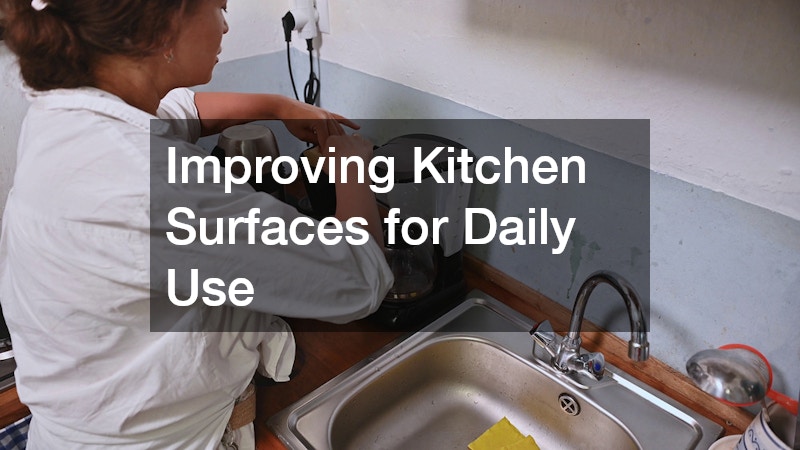
Kitchen surfaces endure constant wear from cooking, cleaning, and food preparation. Choosing the right materials can make a significant difference in durability and maintenance requirements. A well-designed surface should balance aesthetics with practicality.
A custom countertop allows homeowners to tailor materials and finishes to their specific needs, whether prioritizing heat resistance, scratch resistance, or visual appeal. This customization ensures long-term satisfaction and functionality.
When selecting and installing countertops, consider:
- Material durability and maintenance requirements
- Resistance to heat, stains, and scratches
- Compatibility with existing kitchen design
- Edge styles and finishing options
Once installed, proper care ensures longevity and maintains appearance. Regular cleaning and protective habits prevent premature wear and damage.
A thoughtfully chosen countertop becomes both a functional workspace and a visual centerpiece in the kitchen.
Transforming Outdoor Spaces Into Usable Areas
Outdoor spaces can significantly expand usable living areas when properly designed and maintained. A well-planned yard enhances relaxation, entertainment, and overall property value. However, achieving this requires strategic planning and consistent upkeep.
Effective landscaping involves more than planting greenery; it includes designing layout flow, drainage, and functional zones. A balanced outdoor space combines aesthetics with usability.
To improve outdoor environments, homeowners should:
- Define clear zones for seating, gardening, and pathways
- Choose low-maintenance plants suited to the climate
- Incorporate lighting for safety and ambiance
- Maintain regular trimming and seasonal adjustments
After improvements are made, outdoor spaces become more inviting and practical for everyday use. Even small enhancements can significantly improve usability.
A well-maintained yard also reduces long-term maintenance effort by preventing overgrowth and soil erosion.
Preventing Water Blockages and Exterior Overflow
Water management inside and outside the home is critical for preventing damage and maintaining hygiene. Blockages can lead to unpleasant odors, structural issues, and costly repairs if ignored. Regular monitoring helps avoid these problems.
Routine gutter cleaning is essential for preventing debris buildup that restricts water flow. Leaves, dirt, and sediment can quickly accumulate, especially during seasonal changes.
To maintain clear drainage systems, homeowners should:
- Clean gutters at least twice a year
- Remove debris after storms
- Check for proper downspout alignment
- Install protective guards where necessary
After cleaning, it’s important to observe how water flows during rainfall. Any signs of overflow indicate the need for further maintenance.
Consistent upkeep prevents larger drainage failures and protects both roofing and foundation structures.

Solving Common Household Plumbing Issues
Plumbing problems are among the most common household maintenance challenges, and they often begin with small, unnoticed issues. Early intervention is key to preventing major disruptions. Regular inspection helps identify problems before they escalate.
One frequent issue homeowners encounter involves clogged drains, which can result from the buildup of grease, hair, or debris. Addressing these blockages early prevents backups and water damage.
Preventative plumbing strategies include:
- Avoiding the disposal of grease down sinks
- Using drain covers to catch debris
- Flushing drains regularly with safe cleaning solutions
- Inspecting pipes for early signs of blockage
Once these habits are established, plumbing systems tend to function more reliably and require fewer emergency repairs. Preventive care is always more cost-effective than reactive fixes.
A well-maintained plumbing system ensures smooth daily routines and reduces the risk of unexpected household disruptions.
Taking a structured, proactive approach to home maintenance can dramatically improve both the functionality and longevity of your living space because it shifts the homeowner’s mindset from reactive problem-solving to intentional prevention. Instead of waiting for something to break, leak, clog, or deteriorate, you begin to recognize early warning signs and address them before they escalate into expensive repairs. This approach creates a home environment that runs more smoothly day to day, where systems like plumbing, flooring, roofing, and storage all work together with fewer interruptions and unexpected failures. Over time, this consistency reduces stress and makes home ownership feel far more manageable and predictable.
By addressing each area of the home systematically, homeowners can prevent small issues from becoming costly repairs while also improving comfort and efficiency in meaningful ways. For example, minor maintenance tasks like cleaning, sealing, tightening, or inspecting might seem insignificant on their own, but collectively they protect the home’s structure and function. A small leak that is repaired early prevents water damage, mold growth, and structural weakening. Similarly, routine care of surfaces, fixtures, and systems helps maintain energy efficiency, cleanliness, and overall livability. This layered attention ensures that no single issue quietly develops into a larger, more disruptive problem.
Consistent DIY care not only saves money but also builds confidence in managing a home effectively because it develops practical awareness of how the property actually functions. Homeowners begin to understand how different systems connect, what normal wear looks like, and when something requires attention. This knowledge reduces dependence on emergency professional repairs and allows for more informed decisions when outside help is needed. Over time, even simple habits—like regular cleaning, seasonal inspections, and timely maintenance—create a strong foundation of self-reliance and control over home upkeep costs.
With regular attention and practical upkeep, every room can remain functional, clean, and well-maintained for years to come. The home becomes easier to live in, easier to care for, and more resilient against everyday wear and unexpected issues. Instead of dealing with constant disruptions, homeowners experience a steady sense of order and reliability in their space. Ultimately, a well-maintained home is not the result of occasional large efforts, but the accumulation of small, consistent actions that protect comfort, safety, and long-term value.