Improving your home’s value isn’t just about making it look better—it’s about making smart, strategic decisions that deliver lasting returns. Whether you’re planning to sell in the near future, refinance, or simply want to increase long-term equity, the way you approach renovations matters just as much as the upgrades themselves. A poorly planned project can lead to wasted money, unfinished work, or improvements that fail to appeal to potential buyers. On the other hand, a well-thought-out renovation strategy can dramatically enhance your home’s marketability, comfort, and overall livability.
A thoughtful renovation plan helps you avoid overspending, prioritize the right projects, and ensure every improvement contributes to your home’s overall appeal and functionality. It allows you to balance aesthetic updates with essential repairs, creating a property that is both beautiful and structurally sound. Instead of jumping into cosmetic upgrades or trendy changes, successful homeowners take the time to assess their property, set clear goals, and coordinate improvements carefully. By approaching renovations strategically, you also reduce the risk of unexpected delays, contractor miscommunication, or incompatible design choices that could compromise your vision.
This guide walks you through a comprehensive approach to renovation planning, helping you make informed decisions that boost your home’s value while minimizing stress, delays, and costly mistakes. From evaluating your home’s current condition to prioritizing high-impact upgrades and coordinating professional services, you’ll learn how to create a renovation plan that delivers maximum value and long-term satisfaction. By following these strategies, you can ensure that every dollar and hour you invest results in meaningful improvements that enhance your home’s appeal, functionality, and financial worth.
Assess Your Home’s Current Condition Before Renovating
Before making any upgrades, you need a clear understanding of your home’s current state. Skipping this step can lead to overlooked issues that reduce the impact of your renovations or create expensive problems later.
Start with a thorough inspection of both visible and hidden areas. Look beyond surface-level aesthetics and focus on structural integrity, safety, and system performance.
Key areas to evaluate include:
- Foundation and structural stability
- Roof condition and potential leaks
- Plumbing systems and water pressure
- Electrical wiring and panel capacity
- HVAC performance and efficiency
- Signs of water damage, mold, or pest issues
If your home has experienced damage from water, fire, or age-related wear, bringing in a restoration contractor can help identify underlying issues that need immediate attention. These professionals specialize in diagnosing problems that may not be obvious during a basic walkthrough.
Actionable tips:
- Create a checklist and document all findings with photos
- Prioritize issues that affect safety or structural integrity
- Avoid starting cosmetic upgrades until major repairs are addressed
- Get professional assessments for anything uncertain
By understanding your starting point, you can create a renovation plan that builds on a solid foundation instead of covering up existing problems.
Set Clear Renovation Goals Based on ROI
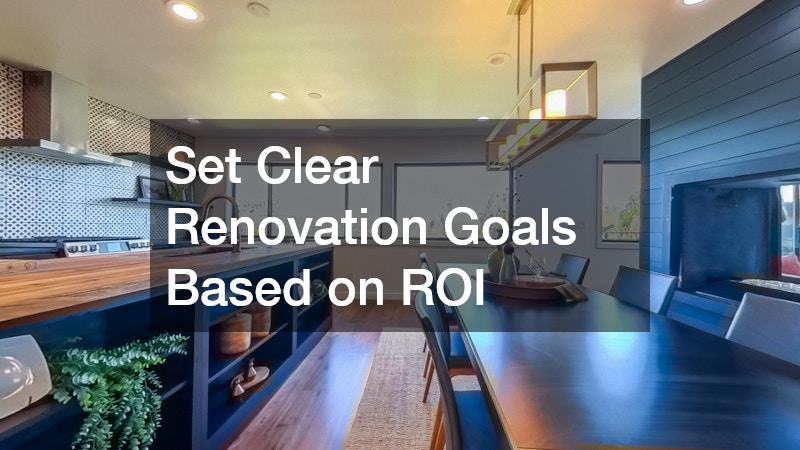
Not all renovations are created equal. Some upgrades dramatically increase property value, while others may only offer modest returns or appeal to a limited audience.
Before starting any project, define what you want to achieve. Are you preparing to sell, improving functionality, or upgrading aesthetics? Your goals will shape every decision that follows.
Consulting experienced home remodeling contractors can help you determine which projects offer the best return on investment in your area. They can also provide insight into what buyers are currently looking for and what features are considered outdated.
High-ROI renovation ideas often include:
- Kitchen updates with modern finishes
- Bathroom remodels with improved fixtures
- Energy-efficient upgrades
- Open-concept living spaces
- Enhanced curb appeal
Steps to set effective goals:
- Research comparable homes in your neighborhood
- Identify upgrades that align with buyer expectations
- Avoid over-improving beyond neighborhood standards
- Focus on improvements that combine function and visual appeal
Clear goals ensure that every dollar you invest contributes to measurable value rather than unnecessary upgrades.
Build a Realistic Budget With Built-In Flexibility

A well-planned budget is essential for keeping your renovation project on track. Without one, costs can quickly spiral out of control, especially when unexpected issues arise.
Start by breaking your budget into categories such as materials, labor, permits, and contingency funds. Getting detailed estimates from professionals like concrete contractors and a plumbing contractor will give you a more accurate picture of potential costs.
Budgeting best practices:
- Allocate 10–20% of your budget for unexpected expenses
- Compare multiple quotes before selecting contractors
- Prioritize essential upgrades over cosmetic changes
- Track expenses throughout the project
Where to invest more:
- Structural repairs and foundational work
- High-traffic areas like kitchens and bathrooms
- Energy-efficient systems
Where to save:
- Decorative elements that can be upgraded later
- DIY-friendly projects (if you have the skills)
- Non-essential features
A flexible budget helps you adapt to surprises without compromising the overall quality of your renovation.
Prioritize Structural and Exterior Improvements First
When it comes to increasing home value, the exterior and structural components should always come first. Buyers and appraisers place significant importance on a home’s integrity and curb appeal.
Start by evaluating your roof, siding, and foundation. Hiring a roofing contractor or experienced roofers ensures that any issues are addressed professionally and thoroughly.
Exterior improvements that add value:
- Roof repairs or replacement
- Updated siding or exterior finishes
- Foundation stabilization
- Gutter and drainage improvements
Why this matters:
- Prevents costly damage down the line
- Improves first impressions for potential buyers
- Enhances energy efficiency and durability
Actionable steps:
- Schedule inspections before starting cosmetic work
- Address leaks or structural weaknesses immediately
- Choose durable, low-maintenance materials
Focusing on these foundational elements ensures your home is both attractive and built to last.
Upgrade Essential Systems for Efficiency and Safety
Modern buyers prioritize homes with updated systems that are safe, reliable, and energy-efficient. Outdated systems can be a major red flag and reduce your home’s value.
Bringing in a licensed electrician to evaluate your wiring and panel is crucial, especially in older homes. Similarly, working with an HVAC contractor can help you upgrade heating and cooling systems for better performance and efficiency.
Key system upgrades to consider:
- Electrical panel upgrades
- Rewiring outdated systems
- Installing energy-efficient HVAC units
- Smart thermostats and automation
Benefits of system upgrades:
- Lower utility bills
- Increased home safety
- Improved comfort and air quality
- Stronger appeal to buyers
Tips for success:
- Schedule upgrades early in the renovation process
- Ensure all work meets current safety standards
- Keep documentation of all improvements
Investing in essential systems not only boosts value but also enhances everyday living.
Enhance Curb Appeal With Strategic Outdoor Improvements
First impressions matter, and your home’s exterior is the first thing potential buyers notice. Enhancing curb appeal can significantly increase perceived value and attract more interest.
Working with a tree care company can help maintain healthy, attractive landscaping, while concrete contractors can assist with functional upgrades like walkways and patios.
High-impact outdoor improvements:
- Landscaping and lawn maintenance
- Tree trimming and removal of hazardous branches
- Installing or repairing driveways and walkways
- Adding outdoor lighting
Simple upgrades with big impact:
- Fresh mulch and plants
- Clean, defined pathways
- Updated front door or entryway
Actionable tips:
- Focus on symmetry and clean lines
- Choose low-maintenance plants
- Ensure outdoor spaces are functional and inviting
A well-maintained exterior sets the tone for the rest of the home and increases overall appeal.
Focus on High-Impact Interior Upgrades Buyers Notice
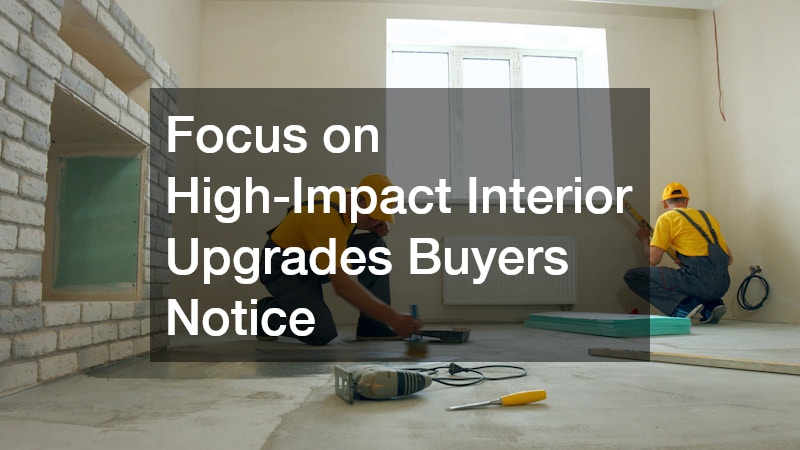
Interior upgrades should focus on areas that buyers care about most. Kitchens, bathrooms, and living spaces often have the greatest influence on purchasing decisions.
Hiring a residential painting contractor can give your home a fresh, modern look with minimal investment. Neutral color palettes are especially effective in appealing to a wide audience.
Top interior upgrades:
- Repainting walls in neutral tones
- Updating fixtures and hardware
- Refinishing or replacing flooring
- Modernizing kitchens and bathrooms
Quick wins:
- Replace outdated lighting fixtures
- Upgrade cabinet hardware
- Add storage solutions
Tips for maximizing impact:
- Keep designs timeless rather than trendy
- Focus on functionality as well as aesthetics
- Ensure consistency throughout the home
Small, strategic updates can make a significant difference in how buyers perceive your property.
Create a Renovation Timeline That Minimizes Delays
A well-structured timeline keeps your renovation project organized and reduces the risk of delays. Poor scheduling can lead to overlapping tasks, wasted time, and increased costs.
Coordinating with home remodeling contractors ensures that each phase of the project flows smoothly. Additionally, planning ahead for work involving an HVAC contractor can help you avoid seasonal delays.
Steps to build an effective timeline:
- Outline each phase of the renovation
- Identify dependencies between tasks
- Schedule inspections and permits in advance
- Build in buffer time for unexpected delays
Common mistakes to avoid:
- Starting multiple major projects simultaneously
- Failing to order materials early
- Not accounting for contractor availability
Pro tips:
- Use project management tools or apps
- Communicate regularly with all contractors
- Adjust timelines as needed without compromising quality
A clear timeline helps ensure your project stays on track from start to finish.
Ensure All Work Meets Local Codes and Permit Requirements

Failing to comply with local building codes can lead to fines, delays, and even reduced property value. Ensuring all work is done properly protects your investment and simplifies future resale.
Working with a qualified electrician and plumbing contractor helps ensure that critical systems meet all safety and regulatory standards.
Key considerations:
- Determine which projects require permits
- Schedule inspections at the appropriate stages
- Keep records of approvals and certifications
Why compliance matters:
- Avoids legal and financial issues
- Ensures safety and quality
- Increases buyer confidence
Actionable tips:
- Check local regulations before starting work
- Hire licensed professionals for specialized tasks
- Maintain a file of all documentation
Proper compliance not only protects your home but also adds credibility when it’s time to sell.
Document Improvements to Maximize Resale Value
Keeping detailed records of your renovations can significantly impact your home’s resale value. Buyers and appraisers alike appreciate transparency and proof of quality work, and well-organized documentation can set your property apart in a competitive market. When you can provide a complete history of improvements, potential buyers gain confidence that the home has been properly maintained and upgraded.
Be sure to document all upgrades, especially those completed by a restoration contractor or roofing contractor, as these often involve critical repairs that affect structural integrity or long-term durability. Documentation not only helps resale efforts but can also protect you if disputes arise over work or warranties in the future.
What to document:
- Before-and-after photos
- Receipts and invoices
- Warranties and guarantees
- Contractor information
How to organize records:
- Create a digital folder for easy access
- Keep physical copies in a safe place
- Update records as new work is completed
Benefits of documentation:
- Provides proof of investment
- Builds buyer trust
- Supports higher asking prices
Having a clear record of improvements makes your home more attractive and easier to market.
Strategic renovation planning is the key to maximizing your home’s value without unnecessary stress or expense. By taking a thoughtful, step-by-step approach, you can prioritize the right projects, manage your budget effectively, and ensure every improvement contributes to long-term benefits. Renovations done without a clear plan often result in overspending, delays, or upgrades that fail to enhance your property’s value. Conversely, a well-structured strategy allows you to focus on improvements that provide both immediate and lasting returns, creating a home that is functional, appealing, and financially rewarding.
From assessing your home’s condition to documenting completed upgrades, each phase plays an important role in the overall success of your renovation. Careful evaluation helps you identify the areas that need attention most, ensuring that structural, safety, and system issues are addressed before cosmetic updates. Setting clear goals and working with qualified professionals further ensures that every upgrade aligns with your budget and long-term vision. Coordinating projects efficiently and keeping detailed records also simplifies future maintenance and enhances resale value, giving you peace of mind that your investment is protected.
Ultimately, strategic planning transforms the renovation process from a stressful, uncertain endeavor into a purposeful and rewarding journey. By thinking critically, making informed choices, and taking deliberate action at each stage, you can elevate your property’s functionality, aesthetics, and market appeal. Whether you plan to enjoy your upgraded home for years or sell it at a premium, a carefully executed renovation strategy ensures that your efforts result in a property that is not only beautiful but also durable, practical, and highly valued. With this approach, every improvement you make becomes an intentional step toward long-term success and a home you can be proud of.