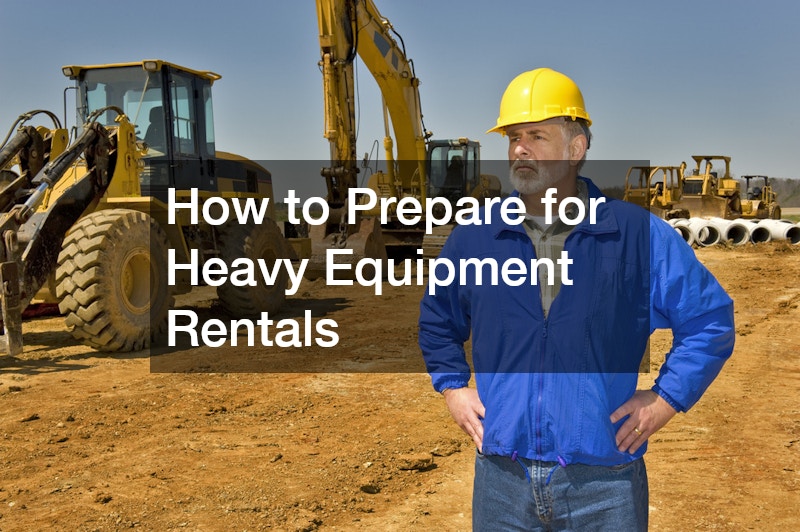
Renting heavy equipment can be a cost-effective and efficient way to complete large-scale projects without the burden of costly purchase investments. Whether you’re embarking on a construction project, agricultural endeavor, or industrial task, the right preparation can ensure that your rental experience is smooth and successful. Being fully prepared can not only help manage expenses but also ensure safety and efficiency on your job site. This guide provides insights and steps you can take to adequately prepare for your next heavy equipment rental. Let’s delve into the key aspects you should consider before renting heavy machinery.
1. Assess Your Project Needs
Before you proceed with renting heavy equipment, it’s crucial to assess the specific needs of your project. Understanding the scope of your work will help you decide which type of equipment is necessary. Consider the size of the work area, the nature of the tasks, and any specific features the machinery might need to have. For instance, a construction site with narrow entry points may require compact equipment, whereas a large excavation project might need robust machinery like a bulldozer. Establishing clear project requirements will guide you toward selecting the most suitable equipment, saving time and resources.
2. Research Rental Companies
Not all rental companies offer the same level of service or equipment quality, making it essential to research your options. Look for rental companies that have a good reputation and are known for maintaining their fleet impeccably. Reading reviews and testimonials from past clients can provide insights into the reliability and customer service of the business. Additionally, ensure the company offers a wide range of current, well-maintained equipment to meet your project’s demands. Make a shortlist of companies and inquire about their rental agreements, costs, and terms to find one that aligns best with your needs.
3. Understand Rental Agreements
Once you have chosen a rental company, it’s vital to thoroughly understand their rental agreements. The agreement should outline critical information including the rental duration, pricing, insurance requirements, and any liabilities. Pay particular attention to the terms regarding the maintenance and return of the equipment. Knowing whether you or the rental company is responsible for regular servicing during the rental period is crucial. Understand the penalties for late return and any damage responsibilities clearly, as these factors can significantly impact your project’s budget and timeline.
4. Arrange for Proper Logistics and Training
After finalizing the rental agreement, organizing logistics and ensuring proper training is the next step. Logistics involve planning how the equipment will be delivered to and from the project site. You’ll need to schedule transportation and make sure there’s a suitable location for storage. Additionally, ensure your team is well-trained on using the rented machinery efficiently and safely. If training is required, determine whether the rental company provides any instructional services or if external training is necessary. Managing logistics and training effectively can maximize productivity and minimize potential delays or hazards.
5. Inspect Equipment Before Use
Upon delivery or pick-up, it is essential to carry out a thorough inspection of the heavy equipment. Check for any visible damage, wear, and tear, or mechanical issues before accepting the machinery. Documenting the condition with photos or videos could be useful in the case of disputes later. Make sure all safety features are functional and that the machine operates smoothly. If the inspection raises any concerns, bring them to the attention of the rental company immediately. ‘Maintaining accurate records of your communications with the rental service provider can protect against unexpected liabilities.
In conclusion, preparing for heavy equipment rentals involves multiple crucial steps that can significantly influence the success of your project. By assessing your project needs, researching rental companies, understanding rental agreements, arranging logistics and training, and inspecting equipment, you can ensure a smooth rental experience. This preparation not only helps in mitigating risks and managing costs but also ensures that your project runs efficiently from start to finish. Whether you are new to equipment rentals or looking to streamline the process for your next project, these guidelines can serve as a valuable reference. Take the time to prepare adequately, and you’ll find that heavy equipment rentals can offer an excellent solution for your extensive project needs.