
Renovating a home is the perfect opportunity to improve energy efficiency. Upgrades that reduce energy consumption can lower utility bills, increase comfort, and enhance the overall value of your property. From smart appliances to insulation and water management systems, a whole-home approach ensures every space contributes to a more sustainable, efficient household. Implementing energy-efficient solutions requires careful planning and coordination with specialized professionals, but the long-term benefits are well worth the investment. Properly executed, energy-efficient renovations can reduce your environmental footprint, make your home more comfortable year-round, and even qualify for tax incentives or rebates in some areas.
To maximize results, homeowners should approach energy efficiency holistically. This means evaluating the entire home, including HVAC systems, insulation, windows, doors, water systems, lighting, and even outdoor spaces. Partnering with experienced contractors, designers, and inspectors ensures that energy-efficient upgrades are properly installed, maintained, and optimized for your specific home. From high-efficiency appliances to smart home technology, there are countless strategies to reduce energy consumption while enhancing functionality and style. With a comprehensive plan, your home renovation can be both environmentally responsible and financially rewarding.
Optimize Kitchen Layout and Appliances for Efficiency

The kitchen is often the most energy-intensive room in a home, making it a critical area to focus on during a renovation. Replacing older appliances with Energy Star-rated refrigerators, ovens, and dishwashers can reduce electricity usage by up to 30%, depending on the models and usage patterns. Induction cooktops are another energy-saving option, as they heat pots directly and cook food faster than traditional gas or electric stoves. Even small changes, such as upgrading to LED under-cabinet lighting or installing motion-sensor switches, can dramatically reduce energy consumption.
Beyond appliances, kitchen layout significantly affects energy efficiency. Planning a work triangle—placing the sink, refrigerator, and stove in close proximity—reduces unnecessary walking and streamlines workflow. Positioning your kitchen near windows or open spaces allows natural light and ventilation to reduce the need for artificial lighting and mechanical cooling. Countertop installers can also offer materials that retain heat naturally, such as stone or quartz, which can reduce the demand for cooking appliances or help maintain warm surfaces without extra energy. Selecting energy-efficient cabinetry materials that do not require frequent replacement can further reduce your home’s environmental impact.
A thoughtfully designed kitchen can also accommodate smart appliances that adjust energy use automatically. Refrigerators with adaptive cooling technology or ovens that optimize cooking cycles can reduce wasted energy. Water-efficient dishwashers minimize hot water usage, while faucets with aerators maintain performance while using less water. Collaborating with kitchen designers, appliance specialists, and countertop installers ensures your kitchen is both stylish and energy-conscious, creating a functional space and kitchen design that saves money and contributes to a greener home.
Upgrade Heating and Cooling Systems With Regular AC Maintenance
Heating and cooling systems account for a significant portion of household energy consumption, often up to 50% in extreme climates. Regular AC maintenancehttps://dnaheatingandair.com/cooling/ is crucial to maintaining efficiency and reducing energy waste. Cleaning or replacing filters, inspecting ductwork, and checking refrigerant levels keeps your system running smoothly. Clogged filters or leaks in ductwork force HVAC units to work harder, increasing energy usage and utility bills. Scheduling routine professional maintenance ensures your system operates at peak performance and prolongs its lifespan.
Upgrading to a high-efficiency HVAC system, such as a variable-speed furnace or heat pump, provides long-term energy savings. Modern systems adjust their output based on real-time demand, preventing energy waste associated with constant on/off cycling. Smart thermostats further enhance efficiency by learning household patterns and adjusting temperature settings automatically. For example, they can lower heating or cooling when the house is empty and return to comfortable levels just before residents return, minimizing wasted energy without compromising comfort.
Homeowners can also combine AC maintenance with insulation and window upgrades to maximize efficiency. Well-insulated homes retain temperature longer, reducing the load on heating and cooling systems. Energy-efficient windows prevent heat loss in winter and reduce heat gain in summer, complementing HVAC improvements. Additionally, professional technicians can advise on zone systems, which allow different areas of the home to be heated or cooled independently, further reducing energy consumption. A proactive approach to AC maintenance and system upgrades ensures consistent comfort, lower energy costs, and a smaller carbon footprint for your home.
Seal and Insulate Your Home to Reduce Energy Loss
Air leaks and inadequate insulation are major sources of energy waste. Drafty windows, doors, and poorly insulated walls allow heat to escape in the winter and enter in the summer, forcing HVAC systems to work harder. Upgrading insulation in attics, basements, walls, and crawl spaces helps maintain a consistent indoor temperature and reduces reliance on heating and cooling. Spray foam, fiberglass, and cellulose are all effective insulation materials, each with unique benefits for different parts of the home.
Windows are another key factor in energy efficiency. Double or triple-pane windows with low-emissivity coatings help reduce heat transfer and can prevent condensation that might lead to mold growth. Weatherstripping and caulking around doors and windows are simple yet effective solutions to seal leaks, reducing energy loss. Roofing companies can assist with roof insulation and materials that provide additional thermal protection. Reflective roofing materials can minimize heat absorption during summer months, while insulated shingles retain warmth during winter.
Proper sealing and insulation also enhance comfort and indoor air quality. Reducing drafts creates a more stable indoor environment, preventing hot or cold spots that are common in older homes. In addition, sealing gaps prevents pests and moisture intrusion, which can compromise building materials and energy performance. By combining professional insulation, window upgrades, and strategic sealing, homeowners can dramatically improve energy efficiency, reduce utility costs, and create a more comfortable, environmentally friendly living space.
Improve Water Efficiency With Well Drillers and Plumbing Upgrades
Water efficiency is an often-overlooked aspect of energy savings. Heating water accounts for a significant portion of household energy consumption, so reducing hot water usage directly lowers energy bills. Installing low-flow faucets, showerheads, and toilets minimizes water waste without sacrificing performance. Tankless water heaters provide hot water on demand, eliminating the standby energy losses of traditional storage systems. Solar water heaters are another eco-friendly option that can supply a significant portion of household hot water using renewable energy.
For homes relying on private wells, working with well drillers ensures water systems are energy-efficient and properly maintained. Energy-efficient pumps, pressure tanks, and smart pump controls reduce electricity consumption while maintaining reliable water supply. Plumbing layouts can be optimized to shorten pipe runs, reducing heat loss and water waste. Professional well drillers can also inspect existing systems for inefficiencies, leaks, or outdated equipment that may be driving up energy usage.
Combining plumbing upgrades with water-efficient fixtures has the dual benefit of conserving water and reducing energy costs. Water-saving appliances paired with well-designed water systems contribute to a more sustainable home. Additionally, monitoring water usage and maintaining equipment ensures ongoing efficiency, helping homeowners reduce both environmental impact and utility expenses over time. Water-efficient strategies are essential for whole-home renovations, especially in areas where energy and water costs are high.
Enhance Outdoor Spaces With Smart Landscaping and Paving
The design and materials of outdoor spaces can significantly affect a home’s energy efficiency. Hardscaping, like driveways and walkways, can contribute to heat absorption, increasing cooling demands in warmer months. A paving contractor and a local paving service can recommend reflective, permeable, or light-colored materials that reduce heat retention and manage stormwater effectively. Strategic placement of trees, shrubs, and groundcover can provide shade, reduce heat islands, and lower surrounding air temperatures.
Landscaping choices also impact energy consumption indirectly. Trees positioned near windows and roofs can block excessive sunlight in summer while allowing solar gain in winter, reducing heating and cooling needs. Green spaces and gardens help retain soil moisture and reduce evaporation, which lowers water usage and associated energy costs for irrigation. Outdoor lighting should be energy-efficient, utilizing solar-powered or LED fixtures controlled by timers or motion sensors to avoid unnecessary electricity use.
By combining professional paving services with strategic landscaping, homeowners can create outdoor spaces that contribute to energy efficiency. Shaded patios, energy-smart driveways, and drought-tolerant planting all reduce environmental impact while enhancing aesthetics and functionality. Properly executed, outdoor energy-saving upgrades not only reduce utility bills but also increase property value and overall comfort, making them a crucial part of any whole-home renovation.
Install Energy-Efficient Roofing and Windows
The roof and windows are critical components for energy efficiency, as they account for substantial heat gain or loss. A roofing company can recommend reflective, insulated, or cool roofing materials that minimize summer heat absorption and retain winter warmth. High-quality roofing materials improve thermal performance and protect the home from extreme weather, further enhancing energy savings. Proper installation and ventilation are equally important to prevent heat buildup and prolong material lifespan.
Energy-efficient windows complement roofing upgrades. Double or triple-pane windows with low-emissivity coatings reduce heat transfer, block UV rays, and help maintain a comfortable indoor temperature. Correct window placement maximizes natural light and passive heating, reducing reliance on artificial lighting and heating systems. South-facing windows in cooler climates can take advantage of solar gain, while overhangs or exterior shading devices prevent overheating in warmer months.
Regular maintenance of windows and roofs ensures long-term efficiency. Sealing gaps, inspecting for leaks, and maintaining caulking prevents energy loss. Roofing companies and window specialists can also advise on upgrades that meet energy codes and qualify for rebates. Together, well-planned roofing and window improvements significantly reduce energy consumption, lower utility bills, and increase the overall comfort and value of the home.
Upgrade Garage and Exterior Doors for Insulation and Security
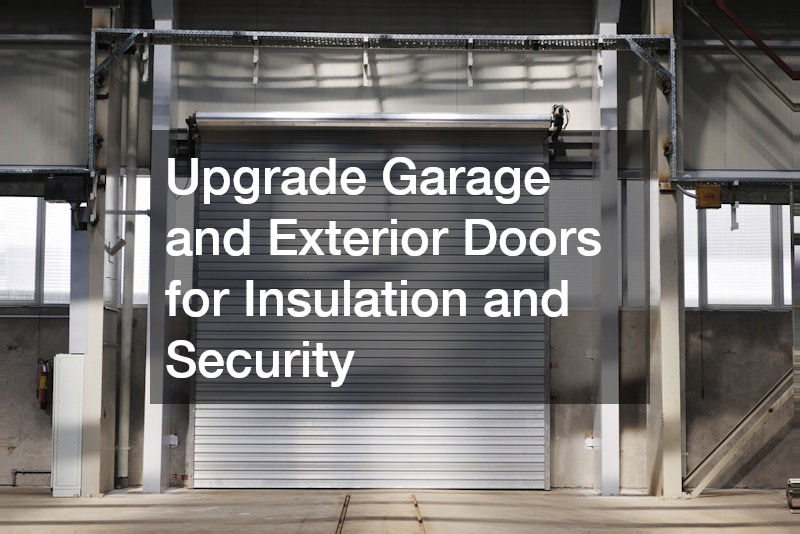
Garage and exterior doors are often overlooked contributors to energy loss. Modern insulated garage doors reduce heat transfer to adjoining living spaces, helping maintain indoor temperature and reducing HVAC demand. Garage door repair or replacement ensures that doors are functioning correctly, sealing gaps and preventing drafts. Insulated doors also improve security and durability, providing a long-term benefit to homeowners.
Exterior doors should also be upgraded for efficiency. Energy-efficient doors include proper weatherstripping, insulation, and tight-fitting frames that prevent air leaks. Selecting materials like fiberglass or steel with insulated cores can further reduce energy loss. Proper door placement, especially on north-facing walls, can reduce heat exposure and improve indoor comfort. Regular maintenance, including lubrication of hinges and inspection of seals, ensures doors perform effectively over time.
Combining insulated garage and exterior doors with other home upgrades enhances overall energy performance. These upgrades reduce heating and cooling demands, complement HVAC improvements, and prevent drafts in adjoining spaces. With careful selection and professional installation, homeowners can achieve significant energy savings while enhancing security, aesthetics, and comfort.
Manage Indoor Air Quality With Mold Inspection and Ventilation
Indoor air quality affects both health and energy efficiency. Poor ventilation or moisture buildup can reduce the effectiveness of insulation and HVAC systems, forcing them to work harder. Mold inspectors can identify areas prone to moisture accumulation, leaks, or poor airflow, preventing mold growth and ensuring a healthier environment. Timely inspections reduce the risk of costly remediation and energy inefficiencies caused by compromised building materials.
Installing energy-efficient ventilation systems, such as energy recovery ventilators (ERVs) or heat recovery ventilators (HRVs), improves air circulation while minimizing heat loss. These systems exchange stale indoor air with fresh outdoor air while transferring heat or coolness between air streams, conserving energy. Maintaining proper humidity levels prevents condensation, mold, and deterioration of insulation, which can otherwise increase energy usage.
In addition to ventilation, routine maintenance of air filters and ductwork ensures that HVAC systems run efficiently. Mold inspection combined with professional ventilation upgrades enhances indoor air quality, supports energy efficiency, and promotes long-term home durability. Investing in these systems not only protects your family’s health but also improves comfort and lowers utility costs throughout the year.
Integrate Pools and Outdoor Water Features With Energy-Saving Equipment
Swimming pools and other outdoor water features can be major energy consumers, but energy-efficient solutions make them manageable. Pool contractors can install variable-speed pumps, energy-efficient heaters, and solar pool systems that dramatically reduce electricity use. Using timers or smart controllers ensures the pool only operates when necessary, preventing wasted energy while maintaining proper water circulation and temperature.
Pool covers are another effective solution, reducing heat loss and evaporation while minimizing the need for heating. Solar pool covers can capture sunlight to naturally heat water, while insulated covers retain warmth overnight. Pool contractors can also advise on LED lighting, low-flow water features, and automated cleaning systems that save energy and reduce maintenance costs.
Integrating these strategies ensures that pools and outdoor amenities complement your energy-efficient home renovation. A professional pool contractor can design systems that balance enjoyment with sustainability, providing a comfortable and eco-friendly outdoor space. These upgrades make pools more affordable to operate and contribute to the home’s overall energy performance.
Select Sustainable Materials for Countertops and Interior Surfaces
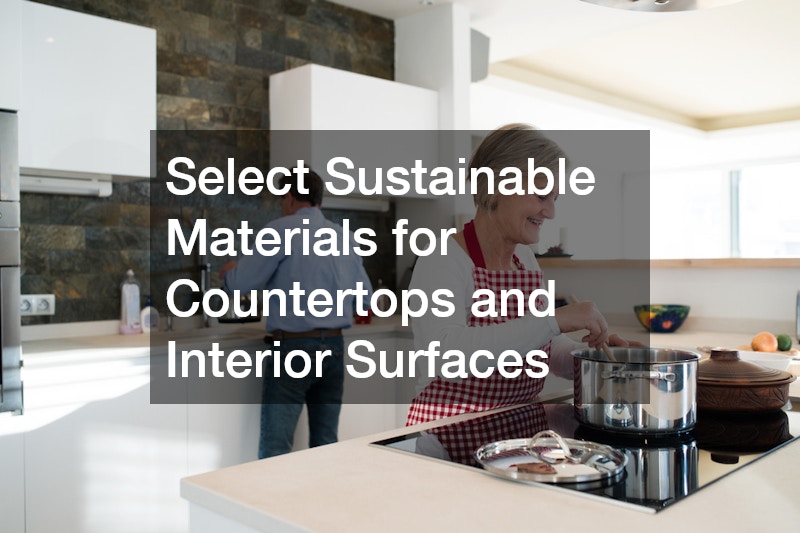
Interior finishes and materials can indirectly affect energy efficiency by influencing durability, maintenance needs, and heat retention. Countertop installers can suggest sustainable options, such as quartz, recycled glass, or bamboo, which are long-lasting, low-maintenance, and environmentally friendly. Choosing durable materials reduces the need for replacement and the energy costs associated with production, transportation, and installation.
Lighting, wall finishes, and flooring materials also contribute to energy efficiency. Reflective surfaces can maximize natural light, reducing dependence on artificial lighting. Lighter-colored paints and tiles help regulate temperature by reflecting heat, while strategic furniture placement improves airflow and passive heating or cooling. Countertop installers can also recommend materials that retain heat for kitchen tasks or coolness for food preparation, further reducing energy consumption.
A comprehensive approach to material selection ensures that interiors are functional, attractive, and energy-efficient. Combining sustainable countertops with efficient lighting, thoughtful layouts, and eco-friendly finishes creates a home that is comfortable, stylish, and environmentally responsible. These strategies, when implemented during a whole-home renovation, provide long-term benefits in energy savings, durability, and overall sustainability.
Renovating your home is a unique opportunity to integrate energy-efficient upgrades across every space. From appliances and HVAC systems to insulation, roofing, outdoor landscaping, and interior finishes, each decision contributes to long-term energy savings, comfort, and sustainability. Collaborating with experienced professionals, including well drillers, roofing companies, pool contractors, and mold inspectors, ensures that your upgrades are effective, durable, and seamlessly integrated into your home. A whole-home approach to energy efficiency transforms your property into a modern, sustainable, and cost-effective living space.