
How to Design a Beautiful Backyard Without the Constant Upkeep
A beautiful backyard doesn’t have to come with endless upkeep. Many homeowners assume that achieving an attractive outdoor space means committing to constant mowing, watering, trimming, and repairs—but that doesn’t have to be the case. With the right planning and smart landscaping decisions, you can create a backyard that looks great year-round while requiring minimal effort.
A low-maintenance backyard is all about working smarter, not harder. It involves choosing the right materials, designing efficient layouts, and investing in solutions that reduce long-term upkeep. Whether you’re starting from scratch or upgrading an existing yard, thoughtful decisions can save you time, money, and stress in the long run.
This guide walks you through practical, actionable steps to transform your outdoor space into a functional, attractive, and easy-to-manage retreat.
Start with a Clear Vision and Functional Layout
Before you begin any physical work, it’s essential to plan how your backyard will function. A well-thought-out layout is the foundation of a low-maintenance space, helping you avoid unnecessary work and costly changes later. Taking time to plan ensures that every element has a purpose and contributes to a cohesive, easy-to-manage design.
Start by identifying your priorities. Do you want an area for entertaining guests, a quiet place to relax, or a safe space for kids and pets? Once you define how you’ll use the space, divide your yard into zones—such as seating areas, pathways, and greenery. This helps prevent overdesigning and keeps maintenance manageable. Clearly defined zones also make it easier to maintain each area individually, rather than dealing with a cluttered, multi-purpose space.
Simple backyard designs are typically easier to maintain. Avoid overcrowding your yard with too many features, plants, or decorative elements. Clean lines, open spaces, and intentional placement reduce clutter and make upkeep easier. Fewer elements also mean fewer things to clean, repair, or replace over time, which can significantly cut down on long-term effort.
Another important tip is to position elements strategically. For example, place seating areas closer to your home for convenience and keep high-maintenance elements away from frequently used zones. Think about natural foot traffic and accessibility when arranging features. The more efficient your layout, the less time you’ll spend maintaining it, allowing you to focus more on enjoying your outdoor space rather than constantly working on it.
Prepare Your Yard Properly Before Any Installation
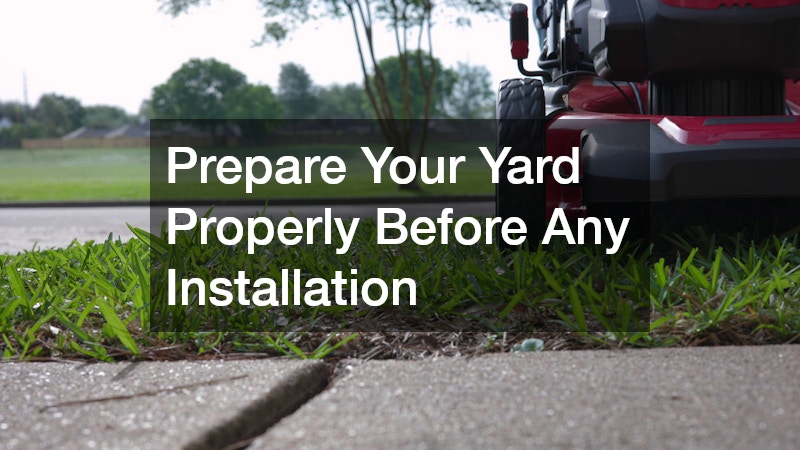
Preparation is one of the most overlooked steps in landscaping, yet it has the biggest impact on long-term maintenance. Before installing anything new, your yard needs to be properly cleared and leveled. Skipping this stage often leads to uneven surfaces, drainage problems, and recurring issues that require constant attention later on.
Land clearing involves removing weeds, debris, rocks, and unwanted vegetation. This step ensures that your new landscaping features won’t be disrupted by underlying issues later on. It also prevents invasive plants from regrowing and creating ongoing maintenance problems. For best results, remove roots completely rather than cutting vegetation at the surface, as this reduces the chance of regrowth.
Once the area is cleared, focus on grading and drainage. Poor drainage can lead to water pooling, soil erosion, and plant damage. By correcting slopes and ensuring water flows away from structures, you reduce the need for future repairs. Adding a slight grade away from your home and installing drainage solutions like swales or gravel channels can make a significant difference in long-term performance.
Soil preparation is equally important. Testing your soil helps you determine whether you need to add nutrients or improve its structure. Healthy soil supports stronger plants, which require less care over time. Incorporating organic matter or soil conditioners can improve drainage and root development.
Taking the time to prepare your yard properly may seem like extra work upfront, but it significantly reduces maintenance in the future while creating a more stable and long-lasting landscape.
Remove Problem Trees and Overgrowth Strategically
Not all greenery is beneficial. Trees that are dead, diseased, or poorly placed can create more work than value in your yard.
Overgrown trees can block sunlight, making it difficult for grass and plants to thrive. They can also drop excessive leaves, branches, and debris, increasing cleanup time. In some cases, roots may damage foundations, driveways, or underground utilities.
Using a professional tree removal service ensures that unwanted trees are removed safely and efficiently. Experts can assess which trees should stay and which ones pose risks or maintenance challenges.
Strategic removal improves the overall health of your yard. It allows more sunlight to reach your landscape, reduces debris, and creates space for low-maintenance features.
By eliminating problematic trees early, you set the stage for a cleaner, more manageable outdoor environment.
Maintain Healthy Trees with Preventative Care

While removing certain trees is important, maintaining the ones you keep is just as critical. Regular care helps prevent future issues and reduces ongoing maintenance. When trees are left unmanaged, they can quickly become overgrown, unhealthy, and more demanding to deal with over time.
Tree trimming services play a key role in keeping your yard manageable. Trimming removes dead or overgrown branches, improving the tree’s structure and overall health. It also reduces the amount of debris that falls into your yard, which means less frequent cleanup and fewer clogged gutters or drains.
Beyond basic appearance, proper trimming supports the long-term strength of your trees. By eliminating weak or crowded branches, you help the tree grow in a balanced way, reducing stress on its structure. This proactive approach can prevent issues like splitting limbs or uneven growth that may require more intensive work later.
Proper trimming allows more sunlight and airflow to reach your landscape, which benefits surrounding plants and grass. It also minimizes the risk of branches breaking during storms, which can lead to costly damage. Increased airflow can also reduce the likelihood of pests and disease, keeping your yard healthier overall.
Seasonal trimming is especially effective. By scheduling maintenance at the right times of year, you can keep trees in optimal condition without excessive effort. Healthy, well-maintained trees enhance your yard’s appearance while keeping maintenance to a minimum.
Choose Durable Surfaces That Replace High-Maintenance Lawn Areas
One of the easiest ways to reduce yard work is to replace sections of grass with durable, low-maintenance surfaces. Grass requires constant mowing, watering, and fertilizing, which can quickly become time-consuming.
Hardscaping services offer solutions such as patios, walkways, retaining walls, and gravel areas. These features not only enhance your yard’s appearance but also significantly reduce maintenance needs.
Materials like pavers, stone, and concrete are long-lasting and easy to clean. They don’t require watering or trimming, making them ideal for high-traffic areas.
Strategically placing hardscaped areas—such as seating zones or pathways—helps minimize the amount of lawn you need to maintain. It also improves functionality by creating defined spaces for different activities.
By incorporating durable surfaces into your design, you can enjoy a polished look without the ongoing effort.
Upgrade to Low-Water, Efficient Irrigation Systems
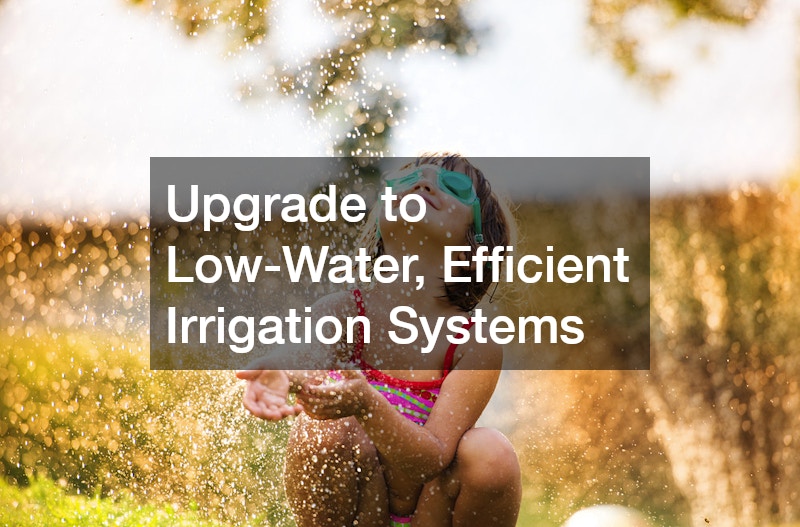
Watering your yard manually can be both time-consuming and inefficient. An automated sprinkler system simplifies this process while ensuring your landscape gets the right amount of water.
Modern irrigation systems can be programmed to water specific areas at optimal times, reducing waste and improving plant health. Smart controllers even adjust watering schedules based on weather conditions, further minimizing effort.
Drip irrigation is another excellent option for targeted watering. It delivers water directly to plant roots, reducing evaporation and preventing overwatering.
Efficient irrigation not only saves time but also lowers water bills and supports sustainable landscaping practices. With the right setup, you can maintain a healthy yard without constant attention.
Install Turf Alternatives for a Consistently Green Lawn
If you want a green lawn without the upkeep, synthetic grass installation is a game-changer. Artificial turf eliminates the need for mowing, watering, and fertilizing while maintaining a clean, consistent appearance.
This option is especially useful in areas where natural grass struggles to grow, such as shaded spots or high-traffic zones. It’s also ideal for pet owners and families with children, as it provides a durable and mud-free surface.
High-quality synthetic grass looks realistic and can last for many years with minimal maintenance. Occasional cleaning is usually all that’s needed to keep it in good condition.
Although the upfront cost may be higher than traditional grass, the long-term savings in time and resources make it a worthwhile investment.
Use Smart Grass Solutions for Natural Lawns
For homeowners who prefer natural grass, sod installation offers a faster and more manageable alternative to growing grass from seed.
Sod provides an instant lawn with fewer weeds and a more uniform appearance. It establishes quickly, reducing the time and effort required to maintain it.
Choosing the right type of grass is crucial. Opt for varieties that are well-suited to your climate and require less water and mowing. This ensures your lawn remains healthy with minimal care.
Proper installation and initial watering are key to long-term success. Once established, a well-maintained sod lawn can be both attractive and relatively low-maintenance.
Combining sod with defined borders and hardscaping elements can further reduce upkeep by minimizing edge trimming and overgrowth.
Prevent Soil Movement and Reduce Yard Repairs
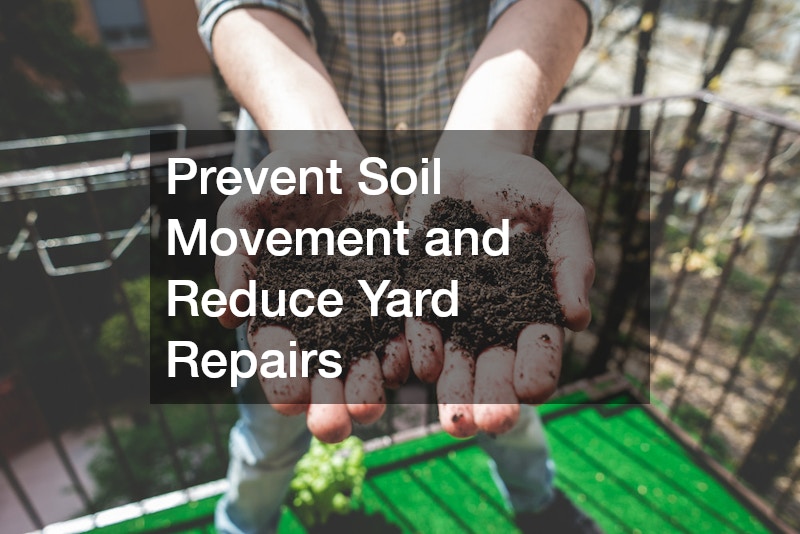
Soil erosion can lead to uneven surfaces, damaged plants, and costly repairs. Preventing erosion is essential for maintaining a stable and low-maintenance yard. When soil begins to shift, it not only affects the appearance of your landscape but can also compromise the integrity of pathways, patios, and planting areas. Over time, even minor erosion can turn into larger structural issues that require significant time and expense to correct.
Erosion control techniques include using mulch, ground cover plants, and retaining walls to stabilize soil. Mulch helps protect the top layer of soil from being displaced by wind or rain, while also retaining moisture for healthier plant growth. Ground cover plants, such as creeping varieties or dense grasses, create a natural barrier that holds soil in place with their root systems. Retaining walls are especially effective on sloped areas, providing both structural support and visual definition to your yard.
Improving drainage is another critical step. Proper water flow prevents soil from washing away and protects your yard from damage during heavy rainfall. Installing features like French drains, gravel channels, or properly graded slopes can redirect excess water away from vulnerable areas, reducing the risk of pooling and runoff.
Addressing erosion issues early saves time and money in the long run. It also ensures that your landscaping features remain in place and continue to function effectively, keeping your yard looking clean, stable, and easy to maintain.
Work with Experts for Efficient and Long-Lasting Results
Sometimes, the best way to reduce maintenance is to rely on professional expertise. Working with a local tree service or landscaping professional can help you make smarter decisions from the start, especially when it comes to planning, safety, and long-term efficiency.
Professionals bring experience that goes beyond basic yard work. They can evaluate soil conditions, drainage patterns, sun exposure, and existing vegetation to create a plan that works with your property—not against it. This kind of insight helps prevent issues like poor plant growth, water runoff problems, or overcrowded layouts that require constant upkeep.
Experts can assess your yard, recommend appropriate solutions, and handle complex tasks safely and efficiently. This includes tree care, grading, and installing features that require specialized knowledge. Attempting these tasks without proper training can lead to costly mistakes, safety hazards, or work that needs to be redone later.
Professional guidance also helps you avoid common pitfalls, such as choosing the wrong materials, planting in unsuitable areas, or overlooking future growth. These small missteps can quickly turn into ongoing maintenance challenges if not addressed early.
Another major advantage is efficiency. Professionals have the right tools and processes to complete projects faster and with higher quality results. This means less disruption to your daily routine and a finished product that performs better over time.
Investing in expert support may cost more upfront, but it often results in a more durable, low-maintenance landscape that saves you time and effort over the years.
Enjoy a Stunning Outdoor Space with Less Work Year-Round
Creating a low-maintenance backyard doesn’t mean sacrificing style or functionality. By making thoughtful choices—such as simplifying your layout, selecting durable materials, and investing in efficient systems—you can design an outdoor space that works for you instead of against you.
The key is to focus on long-term benefits. Every decision, from preparation to installation, should aim to reduce upkeep while enhancing usability. Whether you’re replacing grass with hard surfaces, improving irrigation, or maintaining healthy trees, each step contributes to a more manageable yard.
With the right approach, your backyard can become a relaxing retreat that requires minimal effort to maintain—giving you more time to enjoy it.