
The rise of home improvement television and social media tutorials has fostered a “can-do” spirit among homeowners, leading many to believe that any renovation is just a weekend and a YouTube video away from completion. While small cosmetic tweaks—like swapping out cabinet hardware or painting a guest room—are perfectly suited for the weekend warrior, major structural, mechanical, and surface renovations carry a much higher set of stakes. Home remodeling is an intricate dance of engineering, building codes, and specialized craftsmanship. When a DIY project goes wrong, the consequences aren’t just aesthetic; they can be financial, legal, and even physical. Understanding the boundary between a fun hobby and a professional necessity is the first step in protecting your home’s value and your family’s safety.
Understanding the Risks of Taking on Complex Projects Alone
The most significant risk of the DIY approach is a lack of perspective regarding structural integrity. To the untrained eye, a wall is simply a barrier between two rooms; to a professional, it may be a load-bearing element holding up the second floor or a chase for critical utility lines. When a homeowner begins a demolition without a deep understanding of architectural loads, they risk catastrophic structural failure. Furthermore, many DIYers underestimate the sheer volume of time required for a major project, leading to “renovation fatigue” where a home remains a construction zone for months or even years.
Partnering with remodeling contractors provides a layer of project management that is impossible to replicate alone. Professionals bring a bird’s-eye view to the project, coordinating the timing of various trades to ensure that the plumbing is done before the drywall goes up and the electrical is inspected before the insulation is packed in. They also carry the necessary insurance and licensing to protect you from liability. By hiring a contractor, you aren’t just paying for labor; you are paying for the peace of mind that the project is being managed according to a proven, safe, and efficient timeline.
Avoiding Costly Mistakes During Major Renovations
In the world of remodeling, “cheap” can become very expensive very quickly. DIYers often attempt to save money by purchasing their own materials and performing their own installations, only to realize that a single measurement error can ruin a $3,000 countertop or a set of custom cabinets. These “hidden costs” of DIY—the wasted materials, the need for specialized tools you’ll only use once, and the eventual call to a professional to fix a botched job—often exceed the original cost of hiring a pro from the start.
This is particularly true in high-intensity areas like the kitchen. Professional kitchen remodelers have an intimate understanding of ergonomics and workflow. They know how to optimize the “work triangle” and ensure that gas lines, water pipes, and heavy-duty electrical circuits for appliances are placed with surgical precision. A DIY kitchen often suffers from “rookie mistakes,” such as cabinets that don’t open all the way because they hit the fridge, or islands that create bottlenecks in the floor plan. Professionals ensure that every dollar spent contributes to the home’s resale value rather than creating a list of “fixes” for the next owner.
Recognizing the Challenges of Specialty Flooring Installations
Flooring seems like a straightforward task, but modern specialty surfaces require a level of environmental control and chemical precision that is difficult to achieve without professional equipment. Many homeowners find themselves overwhelmed by the preparation phase, which is arguably more important than the installation itself. If the subfloor is not perfectly level, moisture-tested, and debris-free, even the most expensive flooring material will fail within months.
Consider the complexity of epoxy flooring. Often used in garages, basements, or high-end modern interiors, epoxy is a chemical reaction in a bucket. It requires precise mixing ratios, specific ambient temperatures, and professional-grade concrete grinding to ensure a proper bond. A DIY attempt often results in “hot tire pickup,” where the coating peels off under a car’s tires, or “bubbling” caused by trapped moisture in the slab. Professional installers use industrial diamond grinders and moisture-mitigating primers that a consumer simply cannot access at a local hardware store, ensuring a glass-like finish that lasts for decades.
Preventing Improper Installation That Leads to Early Wear
Even traditional materials like carpet are frequently underestimated. A common DIY mistake is failing to properly “stretch” the carpet during installation. Without the use of a power stretcher—a tool most homeowners don’t own—carpet will eventually develop unsightly ripples and “waves” as it settles. These ripples aren’t just an eyesore; they create trip hazards and cause the carpet fibers to break down prematurely at the peaks of the waves.
Professional carpet installation ensures that the padding is appropriate for the traffic level and that the seams are chemically or thermally bonded to be invisible and durable. When you skip professional installation, you often void the manufacturer’s warranty. Most carpet mills require proof of professional installation to honor claims regarding wear or staining. By attempting to save a few hundred dollars on labor, you risk losing the multi-thousand-dollar investment in the material itself when it wears out in three years instead of fifteen.
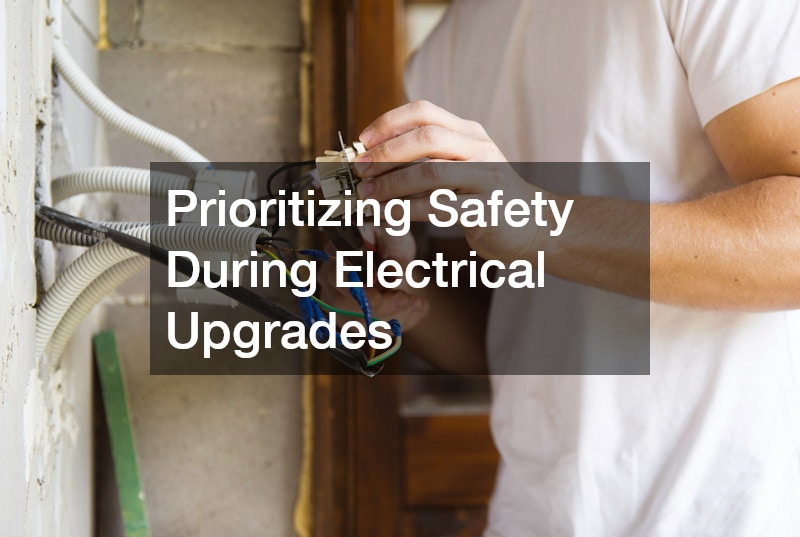
Prioritizing Safety During Electrical Upgrades
While a botched paint job is a nuisance, a botched electrical job is a lethal threat. Electrical work is one of the leading causes of residential fires in the United States. Many DIYers feel confident swapping out a light fixture or adding a new outlet, but they may not understand the complexities of circuit loading, wire gauging, or the critical importance of proper grounding.
Engaging residential electrician services is non-negotiable for any work that goes beyond a simple bulb change. Professionals understand the nuances of the National Electrical Code (NEC), which is updated frequently to reflect new safety standards. They ensure that “wet” areas like kitchens and baths are protected by Ground Fault Circuit Interrupters (GFCIs) and that bedrooms are protected by Arc Fault Circuit Interrupters (AFCIs). When a professional handles your wiring, they take the liability off your shoulders, ensuring that your home is not only functional but also safe for your family to sleep in.
Knowing When Plumbing Repairs Require Expert Help
Plumbing is another area where “minor” DIY fixes can lead to major property damage. A slow-leaking pipe behind a wall can go unnoticed for months, leading to extensive mold growth and structural rot that can cost tens of thousands of dollars to remediate. DIYers often use the wrong materials—such as mixing different types of metals that lead to galvanic corrosion—or over-tighten fittings, which causes them to crack under pressure later.
A local plumbing service provides more than just a wrench; they provide diagnostic expertise. Professionals use fiber-optic cameras to inspect the interior of your pipes and acoustic leak detectors to find problems before they become catastrophes. When you are remodeling a bathroom or kitchen, a plumber ensures that the venting is correct so that your drains actually flow and your house doesn’t smell like sewer gas. Dealing with high-pressure water systems and complex drainage requires a level of “code knowledge” that is essential for a home to pass inspection during a future sale.
Ensuring Electrical Systems Meet Modern Standards
As we integrate more technology into our homes—from electric vehicle chargers to smart home hubs—the demand on our electrical panels has increased significantly. Many older homes have 60-amp or 100-amp services that are simply not equipped to handle a modern lifestyle. A DIYer might try to add “just one more circuit,” potentially overloading the bus bar and creating a significant fire hazard.
This is why consulting with residential electricians is vital during any remodel. They can perform a “load calculation” to determine if your current panel can handle your new appliances or if a service upgrade is required. They also ensure that your wiring is up to modern standards, replacing old “cloth-covered” or aluminum wiring that is prone to overheating. Modernizing your electrical system is one of the highest-return investments you can make, but it must be done by someone who understands the “invisible” physics of electricity.
Protecting Your Home’s Security During Renovations
A remodel often means a rotating door of workers, open entry points, and a general disruption of the home’s “seal.” Many homeowners focus so much on the interior beauty that they forget to update the home’s security infrastructure to match the new design. A beautiful new front door is only as good as the lock and frame that secure it.
Working with local locksmiths during and after a renovation is a key safety “hack.” Once the project is finished, you should rekey your home to ensure that no copies of keys given to subcontractors remain in circulation. Locksmiths can also install “smart” deadbolts and high-security strikes that are integrated into the new door’s architecture, ensuring that your beautiful new entry is as impenetrable as it is attractive. They can also ensure that “egress” requirements are met, meaning your locks are secure from the outside but easy to open from the inside in the event of a fire.
Identifying Roofing Issues Before They Become Severe
The roof is the most important “envelope” of your home, yet it is the one homeowners are most hesitant to inspect themselves due to the heights involved. A DIY approach to roofing is almost always a mistake. Walking on a roof without proper fall-protection gear is life-threatening, and “patching” a leak without understanding the source of the moisture often leads to trapped rot.
Hiring local roofers for a professional inspection provides a comprehensive view of the home’s health. They look for subtle signs of failure, such as “alligatoring” of the shingles, rusted flashing around chimneys, or clogged “valleys” that divert water into the eaves. A professional roofer understands the complex layering of underlayment, ice and water shields, and ventilation that allows a roof to “breathe.” By catching these issues early, you prevent the secondary water damage that can ruin your expensive interior renovations.
Achieving Professional Results With Exterior Improvements
Finally, the exterior of your home is the first thing a guest or a potential buyer sees. While “curb appeal” can be improved with a weekend of gardening, major exterior finishes like painting require industrial equipment and extreme attention to detail. A DIY paint job on a house often results in “lap marks,” overspray on the windows, and a finish that begins to peel within two years because the surface wasn’t properly pressure-washed and primed.
Professional exterior painting companies spend 70% of their time on preparation. They use specialized scrapers, sanders, and high-quality primers that ensure the finish coat bonds to the substrate for a decade or more. They also have the scaffolding and ladders necessary to reach peaks and eaves safely. When a professional paints your home, the lines are sharp, the coverage is uniform, and the protection against the elements is complete. This “finished” look is what differentiates a house that looks “cared for” from one that looks “DIYed.”
In conclusion, the temptation to “do it yourself” is often driven by a desire to save money, but in the complex world of home remodeling, the most expensive way to do something is to do it twice. By respecting the expertise of remodeling contractors, electricians, plumbers, and specialty installers, you are investing in the longevity and safety of your most significant asset.
A home is a collection of high-performing systems that must work in harmony. When you step back and allow professionals to handle the structural, mechanical, and heavy-duty finishing work, you ensure that the result is a home that is as sturdy as it is stunning. The true joy of a remodel should be the final result—the peaceful, functional sanctuary you’ve dreamed of—not the stress of managing a project beyond your skill level. Know your limits, value the expertise of the trades, and remember that some of the best work you can do as a homeowner is knowing when to make the call to a professional. In the end, your home—and your sanity—will be much better for it. We wish you luck in your home remodeling project. We hope that this guide was able to help you understand safe remodeling.