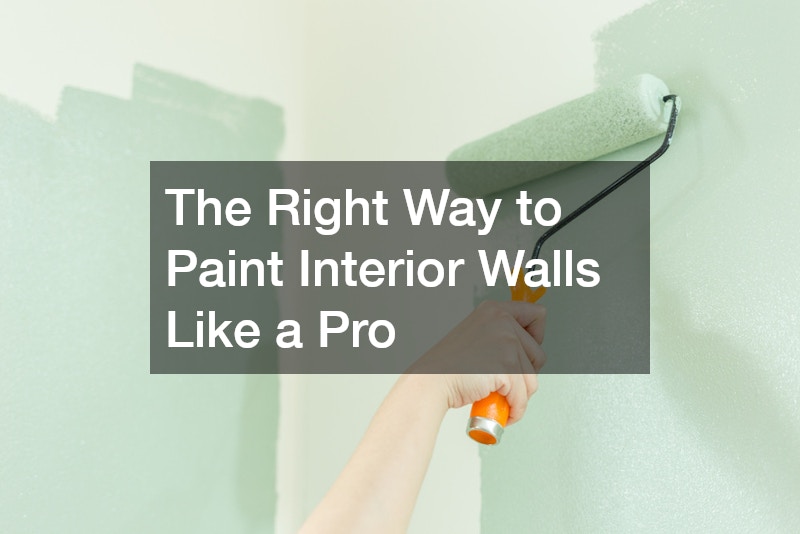

Painting your home’s interior is one of the most effective ways to refresh a space without taking on a full renovation. A new coat of interior paint can brighten a dark room, modernize outdated colors, and give your home a clean, polished look. However, achieving professional-quality results requires more than a brush and a bucket. From preparation to final touch-ups, every step plays a role in how your walls will look and how long the finish will last. When you approach the project with the right tools, techniques, and attention to detail, you can transform your space with confidence and skill.
Start With a Clear Plan
Before opening a can of interior paint, take time to plan your project. Consider the purpose of the room, the lighting conditions, and the overall design style of your home. Lighter shades can make smaller spaces feel open and airy, while deeper tones create warmth and dimension. Testing small samples directly on your walls allows you to see how colors shift throughout the day.
It’s also important to calculate how much interior paint you’ll need. Measure the height and width of each wall, subtracting windows and doors, to estimate square footage. Buying the correct amount helps prevent color inconsistencies that can occur if you need to purchase additional paint later from a different batch.
Prepare the Room Properly
Professional results begin with proper preparation. Remove furniture from the room if possible, or move it to the center and cover it with drop cloths. Protect floors with canvas or plastic coverings, and use painter’s tape to shield trim, outlets, and baseboards.
Next, inspect your walls. Fill nail holes or small cracks with spackle, and sand the area smooth once it dries. Wash walls with a mild cleaner to remove dust, grease, or residue that could interfere with adhesion. Clean, smooth surfaces allow interior paint to bond evenly and produce a flawless finish.
Prime for Better Coverage
Primer is often overlooked, but it can make a significant difference in the final outcome. If you’re covering dark colors, stains, or patched areas, primer creates a uniform base and prevents bleed-through. It also helps interior paint adhere more effectively, especially on new drywall or glossy surfaces.
Apply primer with a roller for large areas and a brush for corners and edges. Allow it to dry completely before moving on to your color coat. This extra step may add time to the project, but it contributes to longer-lasting, more consistent results.
Use the Right Tools and Techniques
Using high-quality tools is essential when applying interior paint. A premium roller cover holds more paint and distributes it evenly, reducing streaks and lint. Angled brushes are ideal for cutting in along ceilings, trim, and corners.
Begin by cutting in around the edges of the room with a brush, creating a border of a few inches. Then use a roller to fill in the larger wall sections. Work in small sections, applying paint in a “W” or “M” pattern before smoothing it out. This technique helps distribute interior paint evenly and prevents lap marks.
Avoid overloading your roller, as too much paint can lead to drips. At the same time, don’t stretch the paint too thin, which may cause uneven coverage. Maintaining a consistent pressure and pace will help create a smooth, professional look.
Apply Multiple Coats When Needed
Even the highest-quality interior paint often requires two coats for full, rich coverage. Allow the first coat to dry according to the manufacturer’s instructions before applying the second. Rushing this step can cause peeling or uneven texture.
Inspect the walls between coats for missed spots or imperfections. Lightly sanding any rough areas before the final coat can improve smoothness. Taking your time with each layer results in a deeper color and a more refined appearance.
Pay Attention to Finish and Lighting
The finish you select affects both the appearance and durability of your walls. Flat or matte finishes hide imperfections well but may be harder to clean. Eggshell and satin finishes offer a subtle sheen and are easier to maintain, making them popular choices for living rooms and bedrooms. Higher-sheen finishes are often used in kitchens and bathrooms because they resist moisture and are simpler to wipe down.
Lighting also influences how interior paint appears. Natural light, overhead fixtures, and lamps can change the tone of your chosen color. Viewing your painted walls under various lighting conditions helps you appreciate the full effect of your work.
Finish With Careful Clean-Up
Once your final coat is dry, remove painter’s tape carefully to avoid peeling fresh paint. Clean brushes and rollers promptly so they can be reused for future projects. Dispose of any waste responsibly, and store leftover interior paint in a sealed container for touch-ups.
Take a final walk through the room and examine the walls from different angles. Address any minor imperfections with a small brush to complete the polished look.
Painting interior walls like a professional is achievable with thoughtful preparation, quality materials, and careful technique. From selecting the right interior paint to applying multiple coats with precision, every step contributes to a smooth, long-lasting finish. By investing time in planning, protecting your space, and working methodically, you can create walls that look expertly done and elevate the comfort and style of your home for years to come.